acne
Acne is the most common skin condition in the UK, affecting people well into adulthood. And while it's enormously common, it's also one of the most misunderstood — because what works for one person can actively worsen another's skin. This guide covers the actives that are clinically proven to treat acne, and how to use them effectively.
Understanding Your Acne Type
Comedonal acne (blackheads and whiteheads): Caused by clogged pores. Responds well to exfoliating acids and retinol.
Inflammatory acne (red papules and pustules): Caused by bacteria and inflammation within pores. Responds to salicylic acid, niacinamide and targeted retinol formulas.
Cystic acne (deep, painful nodules): The most severe form. Usually requires consultation with a dermatologist. Medical-grade topicals can help manage milder versions.
Key Actives for Acne
Salicylic acid (BHA): Oil-soluble, meaning it can penetrate into pores to dissolve the debris that causes congestion. The most effective over-the-counter option for non-inflammatory and mild inflammatory acne. Use 1–2% in a cleanser or toner.
Niacinamide (Vitamin B3): Regulates sebum production, reduces inflammation and improves the skin barrier. Excellent combined with other actives and well tolerated by sensitive skin.
Retinol: Prevents the formation of new comedones by normalising cell turnover in pores. Also fades post-acne marks. The most versatile anti-acne ingredient for long-term management.
AHAs (glycolic and lactic acid): Surface exfoliants that smooth texture and improve tone. Best used alternating with salicylic acid rather than together.
Products Our Consultants Recommend for Acne
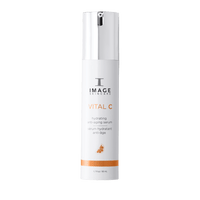
- IMAGE Skincare Clear Cell Clarifying Gel Cleanser — Salicylic acid cleanser that removes excess oil and unclogs pores without stripping the skin.
- ZO Skin Health Complexion Clarifying Serum — A targeted salicylic and retinol formula for persistent congestion and breakouts.
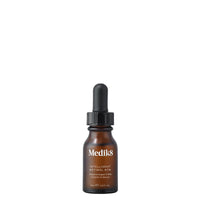
- Medik8 Blemish SOS — A concentrated spot treatment for rapid reduction of individual breakouts.
What to Avoid
Over-cleansing and using too many actives at once are the most common mistakes. Stripping the skin of oil triggers more oil production — the opposite of what you want. Similarly, layering acid + acid + retinol all at once leads to barrier damage, not clearer skin.
Frequently Asked Questions
Should I moisturise if I have acne?
Absolutely. Many acne products are drying, and the skin responds by producing more oil to compensate. A light, non-comedogenic moisturiser is essential in any acne routine.
How long does acne treatment take to work?
Expect 6–8 weeks before judging a new product. Purging (an initial temporary increase in breakouts as cell turnover speeds up) can occur in the first 2–4 weeks with retinol or AHAs — this is normal and resolves.
Can diet affect acne?
Evidence increasingly supports a connection between high-glycaemic diets, dairy consumption and acne in some individuals. However, skincare actives remain the most direct and consistent intervention.
Struggling with persistent breakouts?
Get a free expert consultation or explore our acne collection →

Dr. Tanveer Ahmed
MBBS/FCPS · Founder & Clinical Director, Celsia Skin
MBBS/FCPS · Founder & Clinical Director, Celsia Skin
Was this content helpful?
Thank you for your feedback — it helps us improve.
Good to know
Frequently asked questions
When should I see a GP about acne instead of using skincare?
See your GP if breakouts are painful and deep, leaving scars or dark marks, covering large areas, or affecting your mood — prescription treatment exists and works. NHS acne guidance explains the referral route. Cosmetic skincare supports blemish-prone skin; it does not treat the medical condition.
What is the best over-the-counter ingredient for blemish-prone skin?
Salicylic acid is the workhorse — it is oil-soluble, so it clears inside pores rather than just the surface. Niacinamide supports it by calming visible redness, and a gentle retinal at night helps keep congestion from reforming.
How long should I use an acne product before deciding it doesn't work?
Give any blemish-focused routine 8–12 weeks of consistent use before judging it — skin turnover cycles take roughly a month each. Chopping and changing every fortnight is the most common reason routines appear to fail.
Does diet cause acne?
The evidence is mixed: high-glycaemic diets and, for some people, dairy are associated with more breakouts, but no single food causes acne for everyone. Skincare consistency and, where needed, GP treatment carry far stronger evidence than elimination diets.
Can moisturiser make breakouts worse?
Heavy, occlusive creams can — but skipping moisturiser altogether usually backfires, because dehydrated skin produces more oil. Choose an oil-free, non-comedogenic gel-cream and your blemish actives will also be better tolerated.