Shop
Retinol & Retinoids
Retinol and Retinoid Skincare
Retinoids — the umbrella term for vitamin A derivatives including retinol, retinaldehyde and prescription-strength tretinoin — are among the most researched ingredients in skincare, used to support collagen production, speed up cell turnover, and improve the appearance of fine lines, texture and some forms of acne.
What Do Retinoids Do?
- Support collagen production, helping to soften the appearance of fine lines and wrinkles
- Accelerate cell turnover, which can improve texture, dullness and some pigmentation
- Help regulate oil production and skin cell shedding, which is why retinoids also feature in acne-focused routines
Choosing a Strength: A Beginner's Guide
Retinoid strength runs on a spectrum. Beginners typically start with a low-percentage retinol (often encapsulated or "buffered" to reduce irritation) two to three nights a week, gradually building tolerance. Higher-strength retinols and prescription retinoids are usually introduced only once the skin has adjusted, and often sit behind a consultation on Celsia Skin given their potency.
Who Should Use Retinoids — and Who Should Be Cautious
Retinoids suit most adult skin types but require a gradual introduction, since irritation, dryness and peeling are common when starting out. They are generally not recommended during pregnancy or breastfeeding — see NHS guidance for more detail. If you have very reactive or rosacea-prone skin, our barrier repair range is worth strengthening first.
Product Categories in This Collection
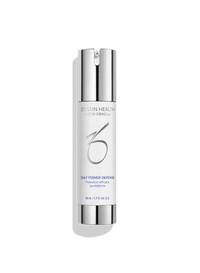
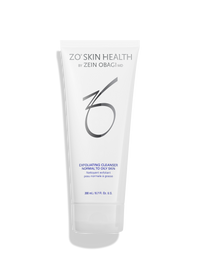
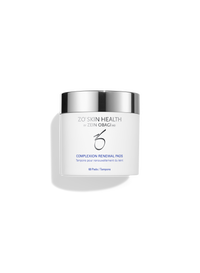
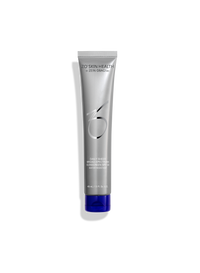
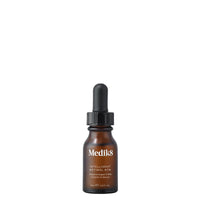
Night serums, creams and encapsulated retinol formulations from brands including ZO Retinols and Medik8, spanning beginner to advanced strengths.
Pairing Retinoids With the Rest of Your Routine
Retinoids increase photosensitivity, so daily SPF is essential alongside any retinoid routine. Pair with hydrators containing hyaluronic acid or ceramides to offset dryness, especially in the first few weeks.
Frequently Asked Questions
Which retinol strength should beginners choose?
Start with the lowest available percentage, applied two to three times a week, and build up frequency and strength gradually as your skin builds tolerance.
Can I use retinol every night?
Many people work up to nightly use over several weeks, but this depends on your skin's individual tolerance — some people do better with alternate-night use long-term.
Does retinol help with acne?
Retinoids can help regulate cell turnover and oil production, which is why they're often included in acne-focused routines, though they're typically paired with other targeted actives.
Can I use retinol if I'm pregnant?
Retinoids are generally advised against during pregnancy and breastfeeding — please see NHS guidance and speak with your GP or midwife.
What's the difference between retinol and tretinoin?
Retinol is an over-the-counter vitamin A derivative that converts to active retinoic acid in the skin; tretinoin is the prescription-strength active form itself, generally more potent and requiring medical oversight.
Build a personalised retinoid routine with a free skin consultation, or explore medical-grade retinol below.
Retinol and Retinoid Skincare
Retinoids — the umbrella term for vitamin A derivatives including retinol, retinaldehyde and prescription-strength tretinoin — are among the most researched ingredients in skincare, used to support collagen production, speed up cell turnover, and improve the appearance of fine lines, texture and some forms of acne.
What Do Retinoids Do?
- Support collagen production, helping to soften the appearance of fine lines and wrinkles
- Accelerate cell turnover, which can improve texture, dullness and some pigmentation
- Help regulate oil production and skin cell shedding, which is why retinoids also feature in acne-focused routines
Choosing a Strength: A Beginner's Guide
Retinoid strength runs on a spectrum. Beginners typically start with a low-percentage retinol (often encapsulated or "buffered" to reduce irritation) two to three nights a week, gradually building tolerance. Higher-strength retinols and prescription retinoids are usually introduced only once the skin has adjusted, and often sit behind a consultation on Celsia Skin given their potency.
Who Should Use Retinoids — and Who Should Be Cautious
Retinoids suit most adult skin types but require a gradual introduction, since irritation, dryness and peeling are common when starting out. They are generally not recommended during pregnancy or breastfeeding — see NHS guidance for more detail. If you have very reactive or rosacea-prone skin, our barrier repair range is worth strengthening first.
Product Categories in This Collection
Night serums, creams and encapsulated retinol formulations from brands including ZO Retinols and Medik8, spanning beginner to advanced strengths.
Pairing Retinoids With the Rest of Your Routine
Retinoids increase photosensitivity, so daily SPF is essential alongside any retinoid routine. Pair with hydrators containing hyaluronic acid or ceramides to offset dryness, especially in the first few weeks.
Frequently asked questions
Which retinol strength should beginners choose?
Start with the lowest available percentage, applied two to three times a week, and build up frequency and strength gradually as your skin builds tolerance.
Can I use retinol every night?
Many people work up to nightly use over several weeks, but this depends on your skin's individual tolerance — some people do better with alternate-night use long-term.
Does retinol help with acne?
Retinoids can help regulate cell turnover and oil production, which is why they're often included in acne-focused routines, though they're typically paired with other targeted actives.
Can I use retinol if I'm pregnant?
Retinoids are generally advised against during pregnancy and breastfeeding — please see NHS guidance and speak with your GP or midwife.
What's the difference between retinol and tretinoin?
Retinol is an over-the-counter vitamin A derivative that converts to active retinoic acid in the skin; tretinoin is the prescription-strength active form itself, generally more potent and requiring medical oversight.