medical-grade
Medical-grade skincare outperforms high-street alternatives because the active ingredients are present at concentrations that actually work — not token amounts included to justify a claim on the box. But the same potency that makes these products effective also means the order you apply them, and how you combine them, genuinely matters.
What Makes Skincare Medical Grade?
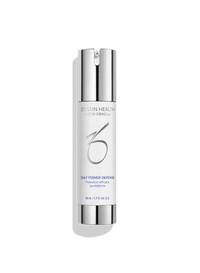
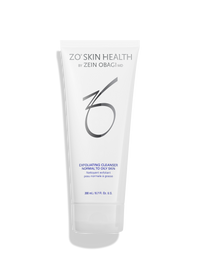
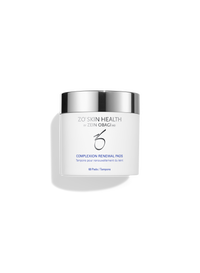
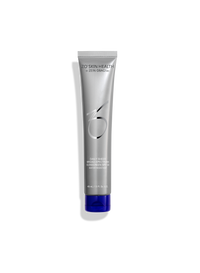
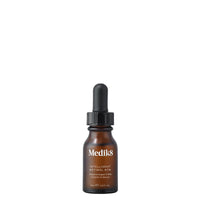
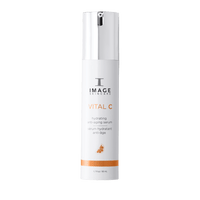
Medical-grade (also called pharmaceutical-grade or professional-grade) skincare is formulated to penetrate beyond the surface of the skin. Active ingredients are present at clinically relevant concentrations, often stabilised to maximise delivery and prevent degradation. At Celsia Skin, every product is sourced through authorised channels from brands including ZO Skin Health, IMAGE Skincare and Medik8.
The Foundation: Cleanse, Treat, Protect
A medical-grade routine follows the same fundamental structure as any skincare routine, but the products doing each job are operating at a different level.
Morning: Gentle cleanser → Vitamin C serum → Moisturiser → SPF 30–50 (always last)
Evening: Cleanser → Active treatment (retinol, AHA or prescription ingredient) → Moisturiser or barrier cream
Building Your Morning Routine
Your morning routine is about protection. SPF is non-negotiable — it's the single most evidence-backed anti-ageing intervention available. Pair it with a vitamin C serum for antioxidant protection and brightening. Our consultants often recommend starting with a targeted hyaluronic acid layer underneath your moisturiser for maximum hydration.
Building Your Evening Routine
Evenings are for repair and treatment. This is when retinol and exfoliating acids (AHAs and BHAs) do their best work — without the interference of UV light or SPF. If you're using both retinol and an acid, use them on alternate nights rather than together.
The Role of Professional Consultation
The biggest mistake people make with medical-grade skincare is buying products based on generic advice. Your skin type, current medications, sensitivities and existing routine all affect which products are safe and suitable. Our free online consultation connects you with a qualified skin professional who builds your routine around your skin specifically.
Frequently Asked Questions
Can I combine retinol and vitamin C?
Yes — but not in the same routine. Use vitamin C in the morning with SPF, and retinol in the evening. Using them at different times of day gives each ingredient optimal conditions and avoids irritation.
How many actives can I use at once?
Start with one at a time. Once your skin has adapted (usually 6–8 weeks), you can introduce a second. More actives is not better — the most effective routines are often the simplest.
Why do I need SPF with a medical-grade routine?
High-strength actives, particularly retinol and AHAs, increase the skin's sensitivity to UV damage. Using SPF daily protects your results and prevents new pigmentation forming.
Want a routine built specifically for your skin?
Start your free consultation today →

Dr. Tanveer Ahmed
MBBS/FCPS · Founder & Clinical Director, Celsia Skin
MBBS/FCPS · Founder & Clinical Director, Celsia Skin
Was this content helpful?
Thank you for your feedback — it helps us improve.
Good to know
Frequently asked questions
What does medical-grade skincare actually mean in the UK?
It is not a legally protected UK term — it describes clinically oriented ranges with higher active concentrations, published studies and controlled distribution through clinics and authorised stockists. Because the label alone guarantees nothing, buying from an authorised stockist is what protects you.
What order should I apply skincare products in?
Thinnest to thickest. Morning: cleanse, treatment serum, moisturiser, then SPF as the final step. Evening: cleanse, active treatment (such as a retinoid), then moisturiser. Waiting 30–60 seconds between watery layers is plenty.
How many skincare products do I actually need?
Four cover most goals: a cleanser matched to your skin type, one targeted treatment serum, a moisturiser and a daily SPF. Add a second active only once the core routine is consistent — more products mostly add irritation risk, not results.
Do I need a consultation before using medical-grade products?
For the strongest ranges, yes. ZO Skin Health products, for example, are supplied through authorised stockists with a suitability check first. Our free online skin consultation maps your skin type, goals and current routine before anything stronger is recommended.
Can I mix medical-grade skincare with high-street products?
Yes — most routines work well with a simple high-street cleanser and moisturiser supporting one or two clinical-strength actives. Just introduce one new product at a time and avoid doubling up on the same active from two ranges.