buying-guide
The professional skincare market has never been larger — or more confusing. Brands proliferate, claims escalate, and the difference between a genuinely effective product and a beautifully packaged disappointment isn't visible from the label. This guide gives you a framework for evaluating professional skincare that cuts through the noise.
Start With the Ingredient List, Not the Brand
The most reliable indicator of a product's likely efficacy is its ingredient list, not its price or brand reputation. Ingredients are listed in descending order of concentration. An active listed at position 15 of 16 is present in a quantity so small it's unlikely to have any meaningful effect on skin. Effective products lead with their actives, or at minimum place them in the top half of the ingredient list.
Concentration Matters More Than Presence
Hundreds of products claim to contain retinol, vitamin C, niacinamide or hyaluronic acid. What separates effective products from ineffective ones is the concentration at which those actives are present. Clinical evidence for retinol requires at least 0.1%. Vitamin C (L-ascorbic acid) requires at least 10% for measurable tyrosinase inhibition. Niacinamide's sebum-regulating effects are documented at 2–5%. Products that don't disclose concentrations are often hiding low numbers.
Consider Formulation Stability
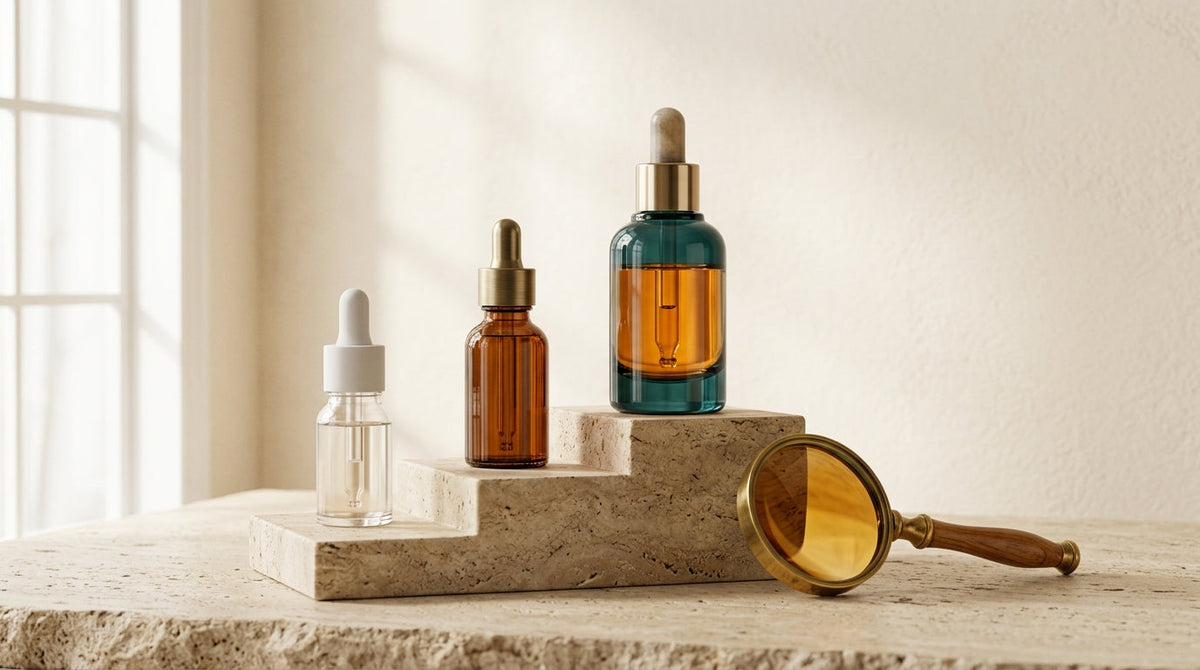
Some actives are inherently unstable. Vitamin C (L-ascorbic acid) degrades rapidly with exposure to light and air — a product in a clear dropper bottle with a large opening will be significantly less effective than one in opaque, airtight packaging. Retinol degrades with UV exposure. If packaging undermines the active, the product won't deliver on its claims regardless of the label.
Professional vs Retail: What's the Actual Difference?
Medical-grade or professional skincare is typically manufactured to pharmaceutical standards, with third-party efficacy testing and greater transparency around active concentrations. Retail skincare is regulated primarily for safety, not efficacy — a product needs to prove it won't harm you, not that it will actually improve your skin.
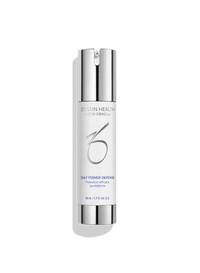
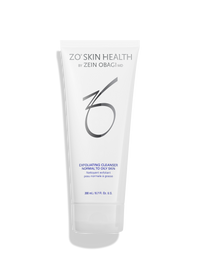
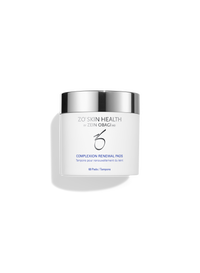
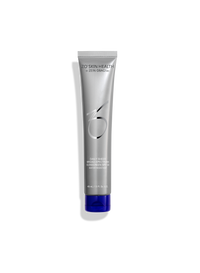
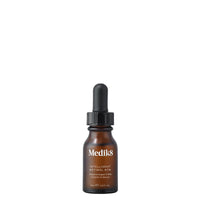
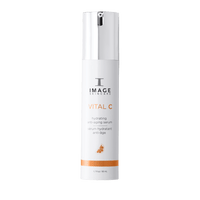
This doesn't mean every professional product is superior to every retail product — but the floor for quality is demonstrably higher in professional ranges, and the ceiling is significantly higher too. Brands like ZO Skin Health, Medik8 and IMAGE Skincare publish their efficacy data and have extensive clinical trial portfolios.
Match Products to Your Skin Concern
The most expensive product is useless if it doesn't address your actual skin concern. Identify your primary concerns first — ageing and fine lines, pigmentation, acne, rosacea or sensitivity — and build around targeted actives for those concerns before adding anything else.
The Value of Professional Consultation
A free skin consultation removes the guesswork entirely. Our consultants identify your skin type, concerns and current routine, then recommend specific products from our clinical ranges that are appropriate and safe for your skin. This is how professional skincare should work — not as a self-guided purchase, but as a prescriptive, expert-led process.
Frequently Asked Questions
Are expensive skincare products always better?
No — but the correlation between price and quality is stronger in professional skincare than in mass-market retail. The cost of clinical testing, pharmaceutical-grade manufacturing and active ingredient concentrations all contribute to higher price points in genuinely effective products.
How do I know if a product is working?
Track changes over 8–12 weeks, not 2–4 weeks. Take consistent photographs in the same lighting at the same time of day, monthly. Most actives take 6–12 weeks to produce visible change. If there's no improvement after 12 weeks, the product may not be appropriate for your concern or skin type.
Get expert guidance on the right products for your skin.
Start your free consultation →

Dr. Tanveer Ahmed
MBBS/FCPS · Founder & Clinical Director, Celsia Skin
MBBS/FCPS · Founder & Clinical Director, Celsia Skin
Was this content helpful?
Thank you for your feedback — it helps us improve.
Good to know
Frequently asked questions
Why does buying skincare from an authorised UK stockist matter?
Authorised stockists source directly from the brand, so you get genuine, correctly stored, batch-traceable product — and the brand's support if anything is wrong. Grey-market and marketplace listings offer none of that, and counterfeit clinical skincare is a documented problem.
What are consultation-only skincare products?
Some clinical ranges — ZO Skin Health among them — require a suitability check before purchase as a condition of UK authorisation. At Celsia Skin these products unlock after our free online consultation, which confirms the product matches your skin and experience level.
How can I tell if an online skincare stockist is genuine?
Check the brand's official stockist list, look for a real UK business address and phone number, and expect a consultation step for professional ranges — authorised stockists are required to screen suitability. Prices dramatically below everyone else are the classic red flag.
Is it safe to buy professional skincare online?
Yes — from the brand's own site or an authorised retailer. The risk sits with third-party marketplace sellers, where authenticity, storage and shelf life cannot be verified; several professional brands prohibit marketplace sales entirely for that reason.
What should I check on a skincare label before buying?
The full ingredients (INCI) list, a batch code and expiry or period-after-opening symbol, and a UK or EU responsible-person address — all legally required on compliant cosmetics sold in the UK. Missing batch codes are a strong counterfeit signal.