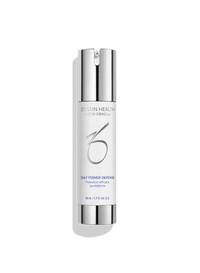
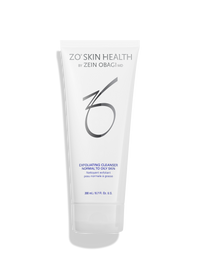
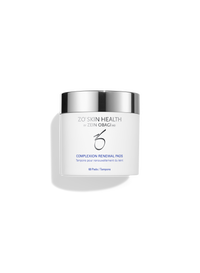
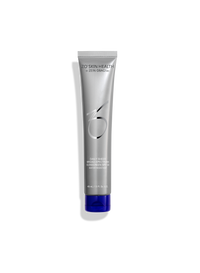
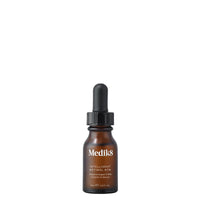
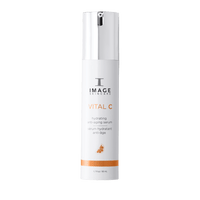
comparison
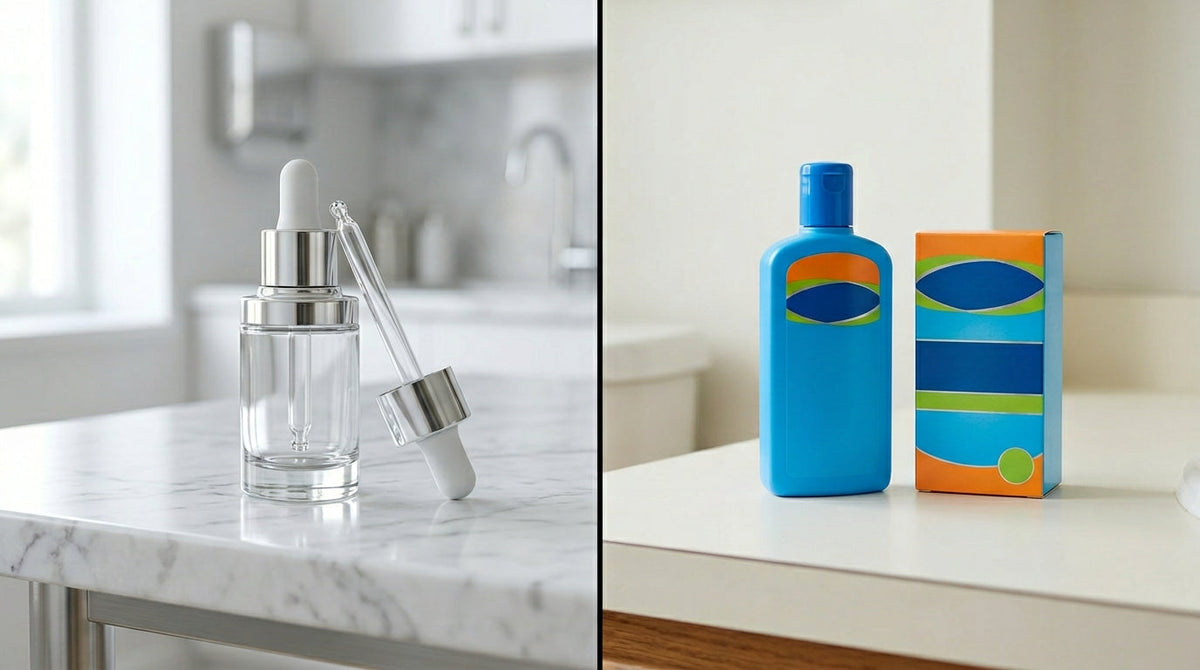
Medical-grade skincare commands a significant price premium over drugstore alternatives. Whether that premium is justified — and for which products — is a question worth answering honestly, without the marketing bias that typically accompanies it.
The Short Answer
For basic skincare (cleanser, moisturiser, SPF) the gap between medical-grade and well-formulated drugstore products is often smaller than the price difference suggests. For targeted actives — retinol, vitamin C, AHAs, specialist treatments — the gap is very often significant, and the premium is usually justified.
What Medical-Grade Actually Means
The term 'medical-grade' is not a regulated designation — which means it's also used by some brands more as a marketing term than a meaningful descriptor. Genuinely medical-grade products differ from retail alternatives in several key ways:
- Active concentrations: Medical-grade products contain actives at clinically effective levels, disclosed clearly. Retail products often contain token amounts of headline actives to justify the claim.
- Formulation penetration: Medical-grade products are formulated to penetrate beyond the stratum corneum (the outer dead skin layer) and deliver actives to living skin cells. Many retail products remain on the surface.
- Manufacturing standards: Medical-grade brands manufacture to pharmaceutical Good Manufacturing Practice (GMP) standards, with third-party testing of potency and stability.
- Clinical evidence: Reputable medical-grade brands publish clinical trial data for their formulas. Retail brands rarely do.
Where Drugstore Products Hold Their Own
Basic skincare — gentle cleansers, unfragranced moisturisers, physical SPF — doesn't require pharmaceutical-grade formulation to be effective. A well-formulated drugstore cleanser is often indistinguishable in effect from a professional equivalent at four times the price. Similarly, a broad-spectrum mineral SPF from a pharmacy can be just as protective as a medical-grade alternative.
Where Medical Grade Wins Clearly
Retinol: Drugstore retinol products almost universally underdose. Most contain 0.01–0.05% retinol at most, often stabilised poorly. Medical-grade retinol (0.1–1%) delivered in time-release or encapsulated formulations is a categorically different product. Browse our retinol range.
Vitamin C: Stable, high-concentration L-ascorbic acid requires sophisticated formulation that most retail products don't achieve. Degraded vitamin C is not just ineffective — it can cause oxidative stress. Medical-grade vitamin C serums protect their actives. Explore our vitamin C range.
Chemical exfoliants: Effective AHA and BHA concentrations (glycolic acid at 10%+, salicylic acid at 2%) are limited or unavailable in most retail products. Medical-grade exfoliants operate at clinically meaningful concentrations. Browse AHAs & BHAs.
Targeted treatments: Brightening treatments, pigmentation correction systems, barrier repair formulas — in these categories, the formulation complexity required to deliver results is simply not present in most retail products.
The Consultation Difference
The most meaningful advantage of purchasing medical-grade skincare through a professional channel like Celsia Skin is the consultation that comes with it. A free online skin consultation means you're not just buying a better product — you're buying the right product for your specific skin, used correctly, in the right order, at the right concentration. That guidance is what makes the investment worthwhile.
Frequently Asked Questions
Can I mix medical-grade and drugstore products?
Absolutely. A practical approach is to invest in medical-grade actives (vitamin C, retinol, AHA) where concentration and formulation matter most, and use well-formulated drugstore products for basics (cleanser, moisturiser) where the gap is smaller.
Are medical-grade products safe to use without a consultation?
Lower-strength products are generally safe for self-directed use. Higher-strength actives (1%+ retinol, prescription-strength treatments) are safest with professional guidance — which is why a consultation is offered before purchase of certain products.
Experience the difference with a personalised approach.
Book your free skin consultation →

Dr. Tanveer Ahmed
MBBS/FCPS · Founder & Clinical Director, Celsia Skin
MBBS/FCPS · Founder & Clinical Director, Celsia Skin
Was this content helpful?
Thank you for your feedback — it helps us improve.
Good to know
Frequently asked questions
Is medical-grade skincare worth the extra cost?
For targeted concerns — the look of pigmentation, lines or persistent congestion — usually yes: you are paying for higher studied concentrations and delivery systems. For basics like cleansing and everyday moisturising, well-chosen high-street products perform admirably.
What is actually different about medical-grade formulas?
Typically higher active percentages, delivery systems that help actives reach where they work, brand-run clinical studies, and distribution through clinics or authorised stockists with a suitability check. The term itself is unregulated in the UK — the substance is in the formulation and the studies.
Can drugstore skincare give the same results?
For hydration, cleansing and sun protection — largely yes. For stubborn, specific concerns the gap widens: clinical ranges carry stronger concentrations and study data. The honest answer is a hybrid routine: high-street basics, clinical-strength treatment.
Where should I spend and where should I save on skincare?
Save on cleanser and basic moisturiser — they are on your skin briefly or perform a simple job. Spend on leave-on treatments: your retinoid, targeted serums and a sunscreen you genuinely like wearing every day.
How do I upgrade to stronger skincare without irritating my skin?
One product at a time, two to four weeks apart, starting with the lowest step in the new range. If a range offers a consultation — as ZO Skin Health does through authorised stockists — use it: sequencing is where most self-built routines go wrong.