anti-ageing
Both retinol and retinal are forms of vitamin A that convert to retinoic acid in the skin — the active compound responsible for the ingredient's remarkable effects on cell turnover, collagen and pigmentation. But they convert via different pathways, at different speeds, and those differences matter enormously in practice.
The Vitamin A Conversion Pathway
Understanding the hierarchy helps: retinyl esters → retinol → retinal → retinoic acid (tretinoin). Each conversion step requires enzymatic action in the skin. Retinol requires two conversion steps to become retinoic acid. Retinal (retinaldehyde) requires only one. This means retinal is significantly closer to the active form — approximately 11 times more potent than retinol at equivalent concentrations, according to published studies.
Retinol: The Established Choice
Retinol has the largest evidence base of any vitamin A derivative below prescription strength. Decades of clinical studies confirm its efficacy in reducing fine lines, improving skin texture, fading pigmentation and preventing new comedones. It's available in a broad concentration range (0.1% to 1%+) and has excellent long-term tolerability when introduced correctly.
The main drawback is the double conversion step — which means results take longer to appear (typically 12–16 weeks for significant changes) and some of the potency is lost in conversion.
Retinal: The Efficient Alternative
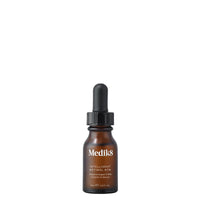
Retinal (retinaldehyde) delivers the same results as retinol, often faster, at lower concentrations — because it only needs one conversion step. Medik8's Crystal Retinal range popularised retinal in professional skincare and remains a benchmark product. Clinical data shows that 0.05% retinal produces results comparable to higher-strength retinol.
Retinal also has a demonstrated antimicrobial effect — making it particularly interesting for acne-prone skin. Some studies show it outperforms benzoyl peroxide for long-term acne management without the dryness.
Which Is Right for You?
Choose retinol if: you're new to vitamin A, have more sensitive skin, or prefer a more gradual introduction with a very wide range of product options.
Choose retinal if: you've already used retinol and want to upgrade, or if you want faster results at a lower concentration. Also excellent for acne-prone skin types.
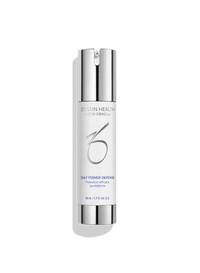
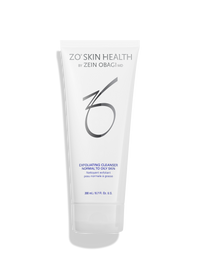
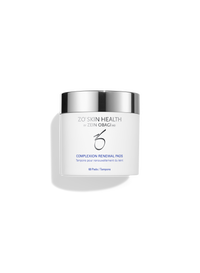
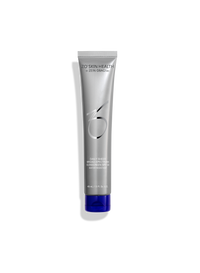
Browse our full retinol and retinoids range — it includes both retinol and retinal formulas from Medik8, ZO Skin Health and IMAGE Skincare, with options at every concentration level.
Frequently Asked Questions
Is retinal more irritating than retinol?
Not necessarily — despite being more potent, well-formulated retinal products (like Medik8 Crystal Retinal) are often well-tolerated because the concentration used is lower. The irritation risk depends on concentration, formulation and skin type more than on the specific vitamin A derivative.
Can I switch from retinol to retinal?
Yes, but treat it as a new introduction. Start with a lower strength of retinal than you'd expect from your retinol experience, used two nights per week. Build up as you would when starting vitamin A fresh.
What about tretinoin?
Tretinoin (retinoic acid) is the active form that all topical vitamin A derivatives convert to. It's available only on prescription in the UK and is significantly stronger than both retinol and retinal. It's appropriate for some patients under medical supervision.
Not sure which vitamin A is right for your skin?
Book a free consultation with our experts →

Dr. Tanveer Ahmed
MBBS/FCPS · Founder & Clinical Director, Celsia Skin
MBBS/FCPS · Founder & Clinical Director, Celsia Skin
Was this content helpful?
Thank you for your feedback — it helps us improve.
Good to know
Frequently asked questions
What is the difference between retinol and retinal?
Both convert to retinoic acid in the skin, but retinal (retinaldehyde) is one conversion step closer, so it acts faster at comparable tolerability. Retinol is the more familiar entry point; retinal is the efficiency upgrade.
Is retinal stronger than retinol?
Comparative work suggests retinal works up to around eleven times faster than retinol at equivalent concentrations — faster-acting rather than harsher. Well-formulated retinal is often as comfortable as retinol because irritation depends on formulation and frequency, not just potency.
How do I switch from retinol to retinal?
Move like-for-like or one step down in strength, and drop back to two or three nights a week for the first fortnight before rebuilding frequency. Stepped systems such as Medik8's retinal ladder make the progression explicit.
Which is better for sensitive skin — retinol or retinal?
Either can suit sensitive skin if you choose an entry strength, ideally gradual-release, used twice weekly and buffered with moisturiser. Sensitive skin fails on frequency and strength jumps, not on the ingredient family itself.
Do retinol and retinal both need daily SPF?
Yes — every retinoid increases sun sensitivity while your skin renews, so broad-spectrum SPF 30–50 each morning is part of the routine, all year round in the UK, not just in summer.