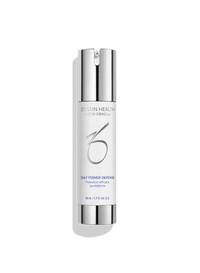
brightening

Hyperpigmentation — the darkening of patches of skin due to excess melanin — affects most people at some point. Whether it's sun damage, post-acne marks or hormonal melasma, vitamin C is one of the most effective ingredients available for all three types, and the science is well established.
How Vitamin C Treats Pigmentation
Vitamin C (L-ascorbic acid in its pure form) inhibits tyrosinase — the enzyme responsible for producing melanin. Without tyrosinase, your skin can't overproduce the pigment that causes dark spots. At the same time, vitamin C acts as a powerful antioxidant, neutralising the free-radical damage from UV exposure that triggers post-inflammatory pigmentation in the first place.
Used consistently, vitamin C prevents new dark spots from forming, fades existing ones, and significantly improves overall brightness and evenness of tone.
Types of Vitamin C in Skincare
L-Ascorbic Acid: The most researched and potent form. Highly effective but can be irritating and degrades quickly with exposure to air and light. Concentrations of 10–20% are clinically effective.
Vitamin C derivatives (sodium ascorbyl phosphate, ascorbyl glucoside): More stable and less irritating than L-ascorbic acid. They convert to active vitamin C in the skin, making them excellent for sensitive types.
Tetrahexyldecyl ascorbate: An oil-soluble form that penetrates deeply and is particularly stable — used in higher-end formulations.
Best Vitamin C Products at Celsia Skin
- ZO Skin Health 10% Vitamin C Self-Activating — A two-part serum that activates on contact for maximum potency at the point of application.
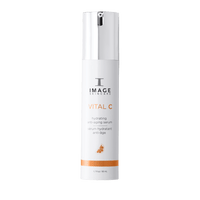
- IMAGE Skincare Vital C Hydrating Anti-Aging Serum — A hydrating formula that combines antioxidant protection with deep moisture. Suitable for most skin types.
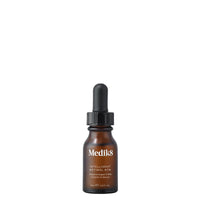
- Medik8 Pure C15 Vitamin C Serum — A 15% L-ascorbic acid formula with vitamin E and ferulic acid to stabilise and enhance the vitamin C.
How to Use Vitamin C in Your Routine
Apply vitamin C in the morning, after cleansing and before moisturiser and SPF. A few drops on fingertips, pressed gently into clean skin, is sufficient. The combination of vitamin C and SPF creates a powerful shield against UV-induced pigmentation — use both every single day.
Frequently Asked Questions
How long does vitamin C take to fade dark spots?
Expect to see measurable improvement in 8–12 weeks with consistent daily use. Post-inflammatory hyperpigmentation typically responds faster than sun damage or melasma, which may take 3–6 months or longer.
Can I use vitamin C with retinol?
Yes — use vitamin C in the morning and retinol at night. Together they address pigmentation from two angles: vitamin C prevents melanin production during the day; retinol accelerates cell turnover to shed pigmented cells at night.
What percentage of vitamin C is effective?
Clinical studies show meaningful results from 10% upwards for L-ascorbic acid. Concentrations above 20% don't provide additional benefit and increase the risk of irritation.
Not sure which vitamin C is right for your skin?
Book a free consultation or explore our vitamin C range →

Dr. Tanveer Ahmed
MBBS/FCPS · Founder & Clinical Director, Celsia Skin
MBBS/FCPS · Founder & Clinical Director, Celsia Skin
Was this content helpful?
Thank you for your feedback — it helps us improve.
Good to know
Frequently asked questions
What percentage of vitamin C is best for dark spots?
Most clinical work on the look of dark spots uses 10–20% L-ascorbic acid or equivalent stabilised derivatives. Start at the lower end if your skin is sensitive — consistency at a comfortable strength beats occasional use of a stronger one.
How long does vitamin C take to fade the look of dark spots?
Studies typically measure visible improvement at 8–12 weeks of daily use alongside sunscreen. Photograph your skin monthly in the same light — gradual change is invisible day to day but obvious month to month.
Should vitamin C go on in the morning or at night?
Morning is its best slot: as an antioxidant it helps neutralise the free radicals UV generates, complementing your sunscreen. Apply it to clean skin, let it settle, then moisturiser and SPF on top.
Can I use vitamin C and niacinamide together?
Yes. The incompatibility myth comes from 1960s formulations; modern versions pair well and are deliberately combined in pigmentation routines — niacinamide interrupts pigment transfer while vitamin C works on existing marks.
Why do dark spots come back after fading?
UV re-activates the pigment cells that created them, so unprotected sun exposure undoes months of progress. Daily broad-spectrum SPF is the maintenance half of any brightening routine — see British Association of Dermatologists sun-awareness advice.