Shop
Pigmentation & Dark Spots
Skincare for Pigmentation and Dark Spots
Hyperpigmentation — patches of skin that appear darker than the surrounding area — is one of the most common concerns we see, caused by excess melanin production. It can show up as post-acne marks, sun-induced dark spots, or melasma, and typically needs a combination of brightening actives, exfoliation and daily SPF to visibly improve over time.
What Causes Pigmentation?
- UV exposure — the single biggest driver of dark spots and uneven tone, often described as photoageing
- Post-inflammatory hyperpigmentation — marks left behind after acne, cuts or irritation
- Hormonal changes — melasma is commonly linked to pregnancy, hormonal contraception or hormone therapy
- Ageing — sun damage accumulates, so pigmentation often becomes more visible over time
Key Ingredients That Help
This collection is built around ingredients with a genuine evidence base for tone-evening: vitamin C, a well-studied antioxidant that helps brighten and protect against further UV-related damage; retinoids, which accelerate cell turnover so pigmented cells shed faster; and AHAs, which gently exfoliate the surface layer. Daily SPF is non-negotiable alongside any brightening routine — without it, new pigmentation forms as fast as existing marks fade.
Product Categories in This Collection
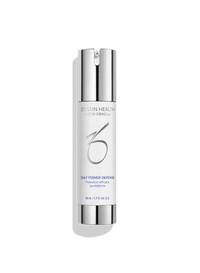
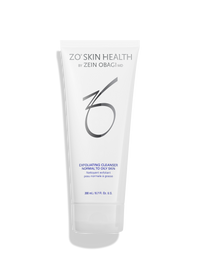
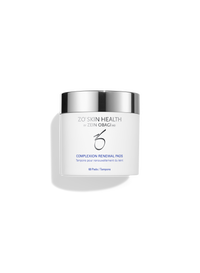
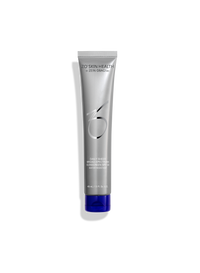
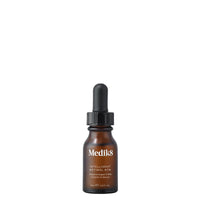
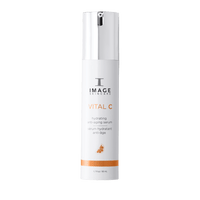
Targeted serums, brightening treatments, gentle exfoliants and broad-spectrum sunscreens from professional and medical-grade brands, including ZO Skin Health and Medik8.
Who This Collection Is For
Suitable for anyone dealing with visible dark spots, post-acne marks, sun damage or an uneven skin tone. Because pigmentation treatment often involves potent actives, we recommend a free skin consultation if you're new to actives or have a history of sensitivity.
Frequently Asked Questions
What products help with pigmentation?
Vitamin C serums, retinoids and gentle AHA exfoliants are the most evidence-backed categories, always paired with daily SPF to prevent new pigmentation forming.
How long does it take to see results?
Visible improvement typically takes 8–12 weeks of consistent use, since skin cell turnover naturally takes several weeks — results vary by individual.
Can I use vitamin C and retinol together?
Yes, though many people introduce them at different times of day (vitamin C in the morning, retinol at night) to reduce the risk of irritation, especially when starting out.
Is melasma treatable with over-the-counter skincare?
Melasma can be stubborn and hormonally driven; skincare can help manage its appearance, but persistent or severe melasma is worth discussing with a GP or dermatologist. See British Association of Dermatologists guidance on melasma for more information.
Do I need SPF if I'm treating pigmentation?
Yes — this is essential. UV exposure is a primary driver of pigmentation, so daily SPF is required for any brightening routine to be effective.
Explore dermatologist-recommended skincare for pigmentation below, or book a free consultation to build a personalised routine.
Skincare for Pigmentation and Dark Spots
Hyperpigmentation — patches of skin that appear darker than the surrounding area — is one of the most common concerns we see, caused by excess melanin production. It can show up as post-acne marks, sun-induced dark spots, or melasma, and typically needs a combination of brightening actives, exfoliation and daily SPF to visibly improve over time.
What Causes Pigmentation?
- UV exposure — the single biggest driver of dark spots and uneven tone, often described as photoageing
- Post-inflammatory hyperpigmentation — marks left behind after acne, cuts or irritation
- Hormonal changes — melasma is commonly linked to pregnancy, hormonal contraception or hormone therapy
- Ageing — sun damage accumulates, so pigmentation often becomes more visible over time
Key Ingredients That Help
This collection is built around ingredients with a genuine evidence base for tone-evening: vitamin C, a well-studied antioxidant that helps brighten and protect against further UV-related damage; retinoids, which accelerate cell turnover so pigmented cells shed faster; and AHAs, which gently exfoliate the surface layer. Daily SPF is non-negotiable alongside any brightening routine — without it, new pigmentation forms as fast as existing marks fade.
Product Categories in This Collection
Targeted serums, brightening treatments, gentle exfoliants and broad-spectrum sunscreens from professional and medical-grade brands, including ZO Skin Health and Medik8.
Who This Collection Is For
Suitable for anyone dealing with visible dark spots, post-acne marks, sun damage or an uneven skin tone. Because pigmentation treatment often involves potent actives, we recommend a free skin consultation if you're new to actives or have a history of sensitivity.
Frequently asked questions
What products help with pigmentation?
Vitamin C serums, retinoids and gentle AHA exfoliants are the most evidence-backed categories, always paired with daily SPF to prevent new pigmentation forming.
How long does it take to see results?
Visible improvement typically takes 8–12 weeks of consistent use, since skin cell turnover naturally takes several weeks — results vary by individual.
Can I use vitamin C and retinol together?
Yes, though many people introduce them at different times of day (vitamin C in the morning, retinol at night) to reduce the risk of irritation, especially when starting out.
Is melasma treatable with over-the-counter skincare?
Melasma can be stubborn and hormonally driven; skincare can help manage its appearance, but persistent or severe melasma is worth discussing with a GP or dermatologist. See British Association of Dermatologists guidance on melasma for more information.
Do I need SPF if I'm treating pigmentation?
Yes — this is essential. UV exposure is a primary driver of pigmentation, so daily SPF is required for any brightening routine to be effective.