Dark Spots

Quick answer: Tranexamic acid mainly helps calm the signals that trigger excess pigment, so it is especially popular for stubborn, patchy or hormonal-looking pigmentation and for skin that is easily irritated. Vitamin C is an antioxidant that helps brighten dullness and defends skin against daily environmental stress. They work in different ways, so many people get the best results by using both, plus a broad-spectrum SPF every morning. Expect to wait 8–12 weeks to judge results.
What causes dark spots in the first place?
Dark spots appear when pigment cells (melanocytes) make extra melanin in one area. Common triggers include:
- UV and visible light – the biggest driver, all year round in the UK.
- Hormones – for example in pregnancy or with hormonal contraception, which can cause melasma-type patches.
- Inflammation – marks left after spots, irritation or procedures (post-inflammatory hyperpigmentation).
- Heat and friction, which can make some pigmentation look worse.
Because the causes overlap, no single ingredient fixes everything – which is why combining approaches tends to work better.
How does tranexamic acid work on pigmentation?
Tranexamic acid (TXA) is a synthetic form of the amino acid lysine. In skincare it is used at around 2–5%. Research suggests it helps interrupt some of the inflammatory and vascular signals that tell pigment cells to make more melanin, which is why it is often discussed for melasma-type pigmentation and redness-linked discolouration.
- Usually well tolerated, even by sensitive skin.
- Suits morning and evening use and layers easily with other actives.
- Works gradually – it softens the look of patches over weeks, not days.
Examples we stock: the VI Derm Dark Spot Lifting Serum with 5% Tranexamic Acid and the bdr Re-action EP Tranexamic Acid Brightening Essence.

How does vitamin C help with dark spots?
Vitamin C (ascorbic acid and its derivatives) is an antioxidant. It helps neutralise free radicals from UV and pollution, can help reduce the look of dullness, and plays a role in slowing the steps that produce melanin. It also supports the skin's natural collagen production, which is why it is popular in anti-ageing routines.
- Best in the morning, under SPF, for antioxidant protection through the day.
- Pure L-ascorbic acid is effective but can sting and oxidise; derivatives (such as tetrahexyldecyl ascorbate) are gentler and more stable.
- Brightens overall radiance as well as targeting spots.
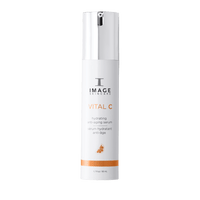
See our vitamin C collection, including the IMAGE Skincare Vital C range.
Tranexamic acid vs vitamin C: what's the difference?
- Main job: TXA calms pigment-triggering signals; vitamin C protects and brightens.
- Best for: TXA – patchy, hormonal-looking or redness-linked pigmentation; vitamin C – dullness, sun spots and general uneven tone.
- Tolerance: TXA is usually very gentle; strong vitamin C can tingle on sensitive skin.
- Time of day: TXA – morning and/or evening; vitamin C – ideally morning.
- Stability: TXA is stable; vitamin C (especially pure L-ascorbic acid) can oxidise and turn orange.
Can you use tranexamic acid and vitamin C together?
Yes. They work through different pathways, so they complement each other. A simple routine:
- Morning: gentle cleanser → vitamin C serum → tranexamic acid serum or essence → moisturiser → SPF 30–50.
- Evening: cleanser → tranexamic acid → moisturiser (add retinol on some nights once your skin is comfortable).
If your skin is sensitive, introduce one new product at a time, about two weeks apart, and patch test each one first.

How long until you see results?
Pigmentation fades slowly because skin needs to renew and existing pigment needs time to disperse. Most people need at least 8–12 weeks of daily use – and results only last with daily sun protection. Without SPF, UV exposure can quickly undo progress.
Who should take extra care?
- If you are pregnant or breastfeeding, check with your GP or pharmacist before starting new actives.
- If a patch changes in size, shape or colour, bleeds or itches, see a GP – not every dark mark is harmless pigmentation.
- Oral tranexamic acid is a prescription medicine with different risks; this article is about topical skincare only.
Not sure which suits your skin? Browse our pigmentation & dark spots collection or book a free skincare consultation.
Educational content only — not medical advice. If a product causes persistent irritation, stop use and consult a GP or dermatologist.

Dr. Tanveer Ahmed
MBBS/FCPS · Founder & Clinical Director, Celsia Skin
MBBS/FCPS · Founder & Clinical Director, Celsia Skin
Was this content helpful?
Thank you for your feedback — it helps us improve.
Good to know
Frequently asked questions
Is tranexamic acid better than vitamin C for dark spots?
Neither is simply better. Tranexamic acid tends to suit patchy, hormonal-looking or redness-linked pigmentation and sensitive skin, while vitamin C is an antioxidant that brightens dullness and protects against daily environmental stress. Many people use both, with daily SPF.
Can I use tranexamic acid and vitamin C at the same time?
Yes. They work in different ways and layer well. A common approach is vitamin C in the morning under SPF, and tranexamic acid morning and/or evening. Introduce one product at a time and patch test first.
Can I use tranexamic acid with retinol or niacinamide?
Generally yes. Tranexamic acid is well tolerated and pairs well with niacinamide and, for most people, with retinol at night. If your skin becomes irritated, reduce how often you use the retinol.
How long does tranexamic acid take to work?
Expect gradual change over about 8–12 weeks of consistent daily use. Results depend on wearing broad-spectrum SPF every day.
Is topical tranexamic acid safe in pregnancy?
Topical use is generally considered low-risk, but anyone pregnant or breastfeeding should check with their GP, midwife or pharmacist before starting new active skincare.