Antioxidants
Quick answer: Antioxidants like vitamin E and ferulic acid support skin against three months of cumulative UV, pollution and heat exposure, working alongside SPF rather than replacing it. Layering an antioxidant serum under sunscreen each morning is the simplest way to add this extra protection to an existing routine.
What do antioxidants actually do for skin?
Antioxidants work by helping to neutralise free radicals, unstable molecules generated by everyday environmental exposures like UV light, pollution, and normal cellular processes. Left unchecked, free radicals can contribute to the visible effects of environmental stress on skin over time, including a dull, tired appearance and uneven texture. It's worth being clear that antioxidants work alongside, not instead of, sun protection; they don't block UV rays themselves, but they help support skin that has already been exposed to the sun and other stressors throughout the day.
Several antioxidants commonly appear in skincare, each bringing slightly different properties:
- Vitamin C — widely studied, but can be less stable when exposed to light and air
- Vitamin E — a fat-soluble antioxidant that helps support formula stability
- Ferulic acid — a plant-derived antioxidant often paired with vitamin C and E
- Niacinamide — supports skin's broader resilience alongside its other benefits
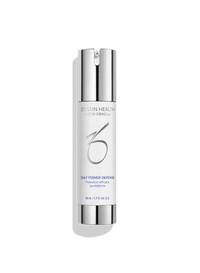
Incorporating an antioxidant serum into a morning routine, applied before SPF, is a common approach, since this is when skin faces the most environmental exposure. As with any active ingredient, introduce antioxidants gradually and pay attention to how your skin responds. For a broader look at ingredients that support skin health day to day, our niacinamide collection is worth exploring alongside dedicated antioxidant options.
Is vitamin E or ferulic acid different from vitamin C?
Yes, while vitamin C, vitamin E, and ferulic acid are all antioxidants, they have distinct properties and are often used together rather than as substitutes for one another. Vitamin C is widely known and well-studied as a skincare antioxidant, but it can be less stable on its own, particularly when exposed to light and air. Vitamin E is a fat-soluble antioxidant that works well in richer formulations and is often included alongside vitamin C to help support its stability. Ferulic acid, a plant-derived antioxidant, is frequently paired with both vitamin C and E because it can help enhance the overall stability and effectiveness of the combination when formulated together. This is why many antioxidant serums list all three together on the ingredients list rather than any one in isolation. If you're already using a vitamin C product, adding a formulation that includes vitamin E and ferulic acid can offer complementary, rather than duplicate, environmental support. For those specifically looking to explore vitamin C options, our vitamin C collection has a range of formulations to consider.

Do I need an antioxidant serum if I already use SPF?
SPF and antioxidant serums serve different, complementary roles, so using SPF doesn't make an antioxidant serum unnecessary:
- SPF — absorbs, reflects, or scatters UV rays before they penetrate the skin; the essential first line of defence
- Antioxidants — help support skin against a broader range of environmental stressors, including pollution and visible light, which SPF alone doesn't address
Even with consistent, correctly applied SPF, some environmental exposure is unavoidable in daily life, which is where an antioxidant serum offers additional support. Layering an antioxidant serum underneath SPF each morning is a common, straightforward way to combine both types of protection. Neither should be seen as replacing the other, and the NHS and British Association of Dermatologists both continue to emphasise daily SPF as the most important step for protecting skin from UV-related damage. If you'd like guidance on how to layer antioxidants, SPF, and the rest of your routine, our team can talk you through it — book a consultation for tailored advice, or browse our SPF & sunscreen collection to make sure that foundational step is covered.
After a summer of sun, heat, and everyday environmental exposure, giving your skin some extra antioxidant support can be a helpful addition to a well-rounded routine. If you're not sure where to start or how to combine antioxidants with what you're already using, our team at Celsia Skin is happy to help — reach out via consultation.
Educational content only — not medical advice. If you're using prescription actives or have a diagnosed skin condition, check with a dermatologist before adding new antioxidants to your routine.

Dr. Tanveer Ahmed
MBBS/FCPS · Founder & Clinical Director, Celsia Skin
MBBS/FCPS · Founder & Clinical Director, Celsia Skin
Was this content helpful?
Thank you for your feedback — it helps us improve.
Good to know
Frequently asked questions
What do antioxidants actually do for skin?
Antioxidants help neutralise free radicals generated by UV light, pollution, and other environmental exposure, supporting skin's natural defences over time. They work alongside SPF rather than replacing it, since they don't block UV rays directly.
Is vitamin E or ferulic acid different from vitamin C?
Yes, each has distinct properties. Vitamin E is fat-soluble and helps support formula stability, while ferulic acid is often paired with vitamin C and E to enhance the overall combination. They're typically used together, not as substitutes.
Do I need an antioxidant serum if I already use SPF?
Yes, they play complementary roles. SPF protects against UV rays directly, while antioxidants help support skin against a broader range of environmental stressors, including pollution and visible light that SPF alone doesn't address.
When should I apply an antioxidant serum in my routine?
Most people apply antioxidant serum in the morning, underneath SPF, since this is when skin faces the most daily environmental exposure. Introduce it gradually and monitor how your skin responds.
Can I combine vitamin C with vitamin E and ferulic acid?
Yes, these three are commonly formulated together, as vitamin E and ferulic acid can help support the stability of vitamin C. Many antioxidant serums list all three on the ingredients label.