Acne & Breakouts
Quick answer: September is a common trigger point for breakouts because the return to school or work routines brings stress, disrupted sleep, and changing schedules, all of which can raise cortisol and increase oil production. A gentle, consistent routine built around a suitable cleanser and targeted acne care can help, though persistent or severe breakouts are worth having assessed by a professional.
Why do I break out when school starts?
The shift back into a school or work routine after summer often brings a cluster of changes that can affect skin at the same time. Common September triggers include:
- Stress — linked to increased cortisol, which can stimulate the skin's oil glands to produce more sebum
- Disrupted sleep — earlier alarms and new schedules
- Return to shared environments, more handling of books and phones, and sometimes more touching of the face
- Changes in diet and daily routine
- Environmental shifts — moving from summer heat and humidity to indoor heating
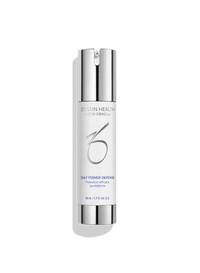
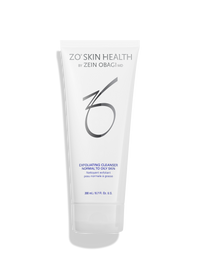
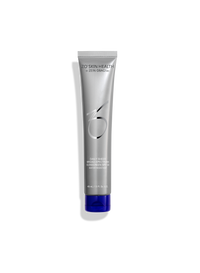
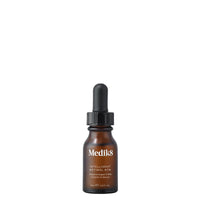
For many people, this adds up to a seasonal increase in breakouts around the same time each year. A consistent, gentle routine tends to help most: a suitable cleanser designed for acne-prone or breakout-prone skin, used morning and evening, alongside products formulated to help support clearer-looking skin without over-stripping it. Avoiding harsh over-cleansing or introducing too many new products at once is important, since an irritated or compromised skin barrier can make breakouts worse. Our acne and breakout collection is designed to support a calmer, more balanced routine during this kind of seasonal transition.

When should I see a doctor for acne?
Occasional breakouts are common and can often be supported with a consistent skincare routine, but according to the NHS, it's worth seeking medical advice if:
- Acne is severe, painful, or causing scarring
- It isn't improving despite several months of consistent over-the-counter treatment
- It's significantly affecting your confidence or mental wellbeing
- You have deep, cystic-type spots that feel hard or painful under the skin
- New acne appears well outside a typical breakout-prone age, or is accompanied by other unusual symptoms
Cystic-type spots are more prone to scarring and often respond better to treatments beyond what standard skincare products offer. A GP can assess your skin, discuss suitable options, and refer you to a dermatologist if needed for more involved care. In the meantime, a supportive skincare routine using gentle, non-comedogenic products, alongside good habits like regularly washing pillowcases and avoiding picking at spots, can help manage day-to-day breakouts. If you're dealing with persistent stress-related breakouts this September and want tailored guidance, our team can talk through your routine in a consultation and recommend a suitable next step, including when it makes sense to see a doctor.
If September stress is showing up on your skin, a calmer, more consistent routine can help. Book a consultation or shop our acne and breakout collection.
Educational content only — not medical advice. Persistent or painful breakouts deserve a GP or dermatologist review.

Dr. Tanveer Ahmed
MBBS/FCPS · Founder & Clinical Director, Celsia Skin
MBBS/FCPS · Founder & Clinical Director, Celsia Skin
Was this content helpful?
Thank you for your feedback — it helps us improve.
Good to know
Frequently asked questions
Why do I break out when school starts?
The return to routine brings stress, disrupted sleep, and schedule changes, which can raise cortisol and increase oil production, making breakouts more likely.
When should I see a doctor for acne?
See a GP or dermatologist if acne is severe, painful, causing scarring, not improving after several months of consistent care, or affecting your confidence or wellbeing.
What skincare routine helps with stress breakouts?
A gentle, consistent routine with a suitable cleanser and products formulated for breakout-prone skin can help, while avoiding over-cleansing or introducing too many new products at once.
Are cystic or painful spots different from regular breakouts?
Deep, painful, cystic-type spots are more prone to scarring and often need professional input beyond standard skincare.
Can a consultation help with recurring breakouts?
Yes, a consultation can review your routine and recommend a suitable next step, including whether seeing a doctor makes sense.