Quick answer: The most useful way to choose an anti-wrinkle cream isn't by price alone — it's by matching the formula's strength and texture to your skin's actual needs. A lightweight retinol serum is a sensible starting point for most people; richer, peptide-led creams suit drier or more mature skin that wants firmness as well as renewal; and professional-strength options are best introduced through a consultation, since strength matters more than the price tag once you're past the basics.
Why Price Isn't the Best Starting Point
It's tempting to sort anti-wrinkle creams into "cheap," "mid-range" and "expensive" and assume the most costly option does the most. In practice, price mostly reflects formulation complexity, delivery technology and packaging — not a guarantee of results. A well-formulated entry-level retinol, used consistently, can outperform an expensive cream used sporadically. The more useful questions are: what active is doing the work, at what strength, and will you actually use it every night?
Choosing by Budget — What Changes at Each Tier
Budget still matters practically, so here's roughly what to expect at each level in our own range.
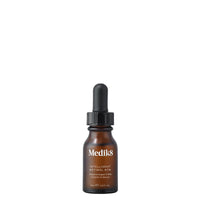
- Entry-level (roughly £20–£40): Usually a single well-studied active at a moderate strength, in a straightforward serum or lightweight cream. Our Medik8 Intelligent Retinol 3 TR is a good example — a 0.3% time-release retinol formulated to minimise the initial dryness and sensitivity that puts a lot of first-time users off retinol altogether.
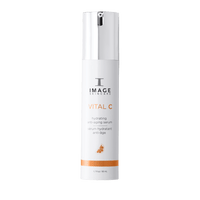
- Mid-range (roughly £50–£100): Often layers in peptides, richer emollients or a more targeted delivery system alongside the core active. HydroPeptide Face Lift is a peptide-led moisturiser built for firmness and hydration rather than pure renewal, while IMAGE MD Restoring Retinol Crème combines retinol with a genuinely rich, cushioning base — useful if your skin needs the moisture as much as the active.
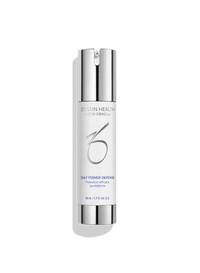
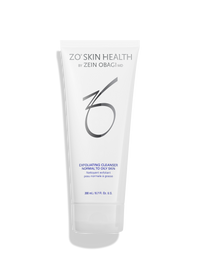
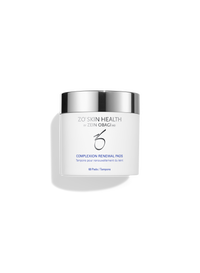
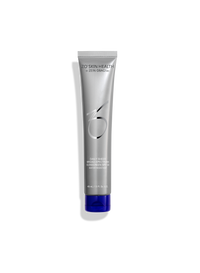
- Professional-strength (roughly £150+): Higher concentrations, more clinical backing, and typically products that benefit from being matched to your skin rather than self-selected. Our ZO Skin Health Firming Serum sits here — as with all ZO Skin Health products, it's available following a free consultation with one of our skin professionals, so the strength and routine are matched to your skin rather than guessed at.
None of these tiers is automatically "right" — the entry-level option is often the smartest first step for anyone new to actives, regardless of budget.

Choosing by Skin Goal
Wrinkles rarely show up on their own. Dryness, dullness and a loss of bounce all make fine lines look more pronounced, so the right product supports comfort as well as appearance. Use this as a starting guide:
- For first fine lines: start with a lightweight retinol serum that layers easily under moisturiser and SPF, rather than reaching for the strongest-sounding formula.
- For dryness alongside lines: prioritise a richer cream that cushions the skin barrier — a formula fighting dehydration and wrinkles at once tends to be more comfortable to stick with.
- For loss of firmness: look at peptide-led serums or creams, which tend to be gentler than retinol and are often layered alongside it rather than instead of it.
- For established lines or textural changes: a professional-strength retinol, introduced through a consultation, is more appropriate than trying to layer several over-the-counter products at once.
What to Look for in a Formula
The most useful anti-wrinkle products are the ones that fit into real life. A cream that feels heavy, pills under makeup or irritates your skin is a product that ends up unused in a drawer. Beyond the headline active, look for:
- A texture you'll actually tolerate nightly — gel-serum, lotion or rich cream, depending on your skin type.
- A sensible concentration to start at — particularly for retinol, where starting too strong is the most common reason people give up.
- Compatibility with your existing routine — a new active shouldn't mean rebuilding your whole cleanser-to-SPF sequence.
- Clear usage guidance, especially for anything containing retinol, which needs to be introduced gradually and used at night with daily SPF.
Creams, Serums and What They Can't Do
Topical anti-wrinkle products — creams, serums, the formulas covered here — work on the skin's surface and upper layers to support the appearance of firmer, smoother-looking skin over weeks of consistent use. That's a genuinely different category to injectable treatments, which are professional medical procedures carried out in a clinical setting rather than something you apply at home. We don't offer injectables at Celsia Skin; if that's something you're considering, it's a conversation for a registered medical practitioner, separate from your daily skincare routine.
Building Your Routine
Start with the tier that's realistic for you, then choose the format that matches your skin's actual goal. For most people new to anti-wrinkle actives, that means a single lightweight retinol serum used two to three nights a week to start, alongside a moisturiser that keeps your barrier comfortable and daily SPF to protect the results you're building. Add a peptide-led cream or a stronger, consultation-matched option once your skin has told you what it needs.
Not sure which strength or format is right for your skin?
Browse our Ageing & Fine Lines collection or book a free skin consultation to build a routine matched to you.

Dr. Tanveer Ahmed
MBBS/FCPS · Founder & Clinical Director, Celsia Skin
MBBS/FCPS · Founder & Clinical Director, Celsia Skin
Was this content helpful?
Thank you for your feedback — it helps us improve.
Good to know
Frequently asked questions
When should I start using an anti-wrinkle product?
There's no single trigger age — it depends more on what you're noticing than a birthday. Many people introduce a lightweight retinol serum in their late twenties or early thirties as a preventative step, once the first fine lines around the eyes or mouth become visible. If your skin is already showing established lines or a loss of firmness, a richer formula or professional-strength option may be more appropriate — a consultation can help you start at the right strength rather than the wrong one.
Can I use a retinol serum and an anti-wrinkle cream together?
Usually yes, but layer rather than stack strength on strength. A common approach is a retinol serum at night, underneath a richer moisturiser that locks in hydration and buffers any dryness — rather than two separate active-led products in the same routine. If you're introducing both for the first time, start with the retinol alone for a few weeks and add the second product once your skin tolerates it comfortably.
Do anti-wrinkle creams actually work?
Formulas with evidence-backed actives — retinol, peptides, vitamin C — are reasonably well supported for improving the look of fine lines, texture and firmness with consistent use, typically over 8 to 12 weeks or longer. They work on the visible signs of skin ageing rather than reversing the ageing process itself, and results depend on the strength used, how consistently you apply it, and daily SPF to protect the progress you're making.
What's the difference between retinol and peptide anti-wrinkle products?
Retinol works by speeding up cell turnover, which over time can improve the look of fine lines, texture and tone — it's the better-studied option but can cause some initial dryness or sensitivity. Peptides work differently, signalling skin to support its own collagen and firmness, and tend to be gentler and better tolerated, including alongside retinol. Many routines use both: peptides for comfort and firmness, retinol for renewal.
How long before I see results from an anti-wrinkle cream?
Most clinical studies on retinol and peptide formulas measure visible change from around 8 weeks, with fuller results building over 12 weeks or more of consistent use. Photograph your skin in the same light every few weeks rather than checking daily — day-to-day change is hard to see, but a month-to-month comparison usually isn't.