Dark Circles

Quick answer: The best eye cream for puffy eyes depends on the cause. For morning swelling, a light gel with caffeine and a cool, gentle massage works well. For dryness and creasing, choose hyaluronic acid, glycerin or ceramides. For fine lines, look at peptides or a gentle retinoid. Eye creams can improve temporary puffiness and skin quality, but they cannot remove structural bags caused by genetics or ageing.
Which ingredients help puffy eyes and bags?
Puffiness rarely has a single cause, so the most useful eye creams target more than one concern: swelling, dehydration, dark circles and fine lines. Browse our dark circles & eyes collection by concern.
- Caffeine: a popular depuffing ingredient that can help the area look tighter and more awake, especially after poor sleep or travel.
- Hyaluronic acid and glycerin: draw water into the skin so it looks plumper and less creased. See our hyaluronic acid range.
- Peptides: support the look of firmer, smoother skin over time, often well tolerated. See our peptides collection.
- Niacinamide: supports the skin barrier and a more even-looking tone, useful when puffiness comes with dullness. See niacinamide.
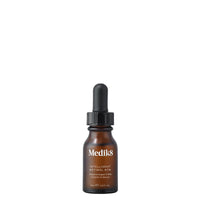
- Retinol or retinaldehyde: for longer-term smoothing of fine lines, not quick depuffing. Use carefully and away from the lash line.
- Ceramides and emollients: calm tight, flaky under-eyes and reduce dryness-related creasing.

What type of puffiness do you have?
Knowing the cause helps you choose realistically:
- Temporary morning puffiness is often linked to fluid shifts overnight, salty food, alcohol, poor sleep, allergies or crying. It usually eases through the day and responds best to cooling, gentle massage and caffeine.
- Structural bags stay visible all day, often run in families and remain even when you are well rested. An eye cream can still improve skin texture and brightness, but it won't reshape the area.
- Dark circles can come from pigmentation, thin skin or shadows cast by puffiness. Brightening ingredients such as niacinamide or vitamin C derivatives help pigmentation-type circles most.
Gel or cream: which texture should I choose?
- Lightweight gels suit morning depuffing and sit well under concealer.
- Richer creams suit dry, sensitive or mature skin and work well at night.
- Cooling or rollerball applicators encourage light massage and can make temporary swelling look less obvious; keep the pressure feather-light.
Many people use a light gel in the morning and a richer cream at night.
How should I apply eye cream to reduce puffiness?
- Start with a cool rinse rather than hot water.
- Use a rice-grain amount and dot it along the orbital bone, not on the lower lash line.
- Tap, don't rub, using your ring finger, gliding from the inner corner outwards.
- Wait a minute before makeup so concealer doesn't pill or crease.
- Finish with sunscreen in the morning, especially if your eye product contains retinoids or brightening actives. See our SPF range.
More product doesn't mean better results: too much can migrate into the eyes, cause watering or create small bumps.
What does a simple under-eye routine look like?
Morning: depuff and protect.
- Cleanse gently or rinse with cool water.
- Apply a caffeine or hydrating eye gel and massage lightly for 20 to 30 seconds.
- Let it absorb, then apply sunscreen around (not into) the eye area.
Evening: hydrate and support.
- Remove makeup gently, without tugging the lids.
- Tap on a moisturising or peptide eye cream.
- Use retinoid eye products only as directed and only if tolerated.
Which everyday habits make eye creams work better?
- Sleep: keep a regular bedtime and try raising your head slightly if you wake up puffy.
- Salt and alcohol: both can increase next-morning swelling.
- Allergies: rubbing itchy eyes worsens puffiness and darkness; speak to a pharmacist if allergies are frequent.
- Gentle removal: dissolve mascara rather than pulling at the lids.
- Sun protection: sunscreen and sunglasses help prevent pigmentation and texture changes.
When should I see a doctor about eye puffiness?
Seek medical advice if puffiness is sudden, severe, painful, one-sided, affects your vision or comes with other symptoms. Persistent swelling can have causes that skincare can't address. For everyday puffiness, taking photos in the same light every few weeks is the best way to judge whether a product is helping. If you'd like help choosing, book a consultation.
Educational content only — not medical advice. If a product causes persistent irritation, stop use and consult a GP or dermatologist.

Dr. Tanveer Ahmed
MBBS/FCPS · Founder & Clinical Director, Celsia Skin
MBBS/FCPS · Founder & Clinical Director, Celsia Skin
Was this content helpful?
Thank you for your feedback — it helps us improve.
Good to know
Frequently asked questions
Can eye cream get rid of under-eye bags?
Eye cream can reduce temporary puffiness and improve the look of the skin, but it cannot remove structural bags caused by genetics or ageing. Those usually need a professional assessment.
Is caffeine eye cream good for puffy eyes?
Yes, caffeine is a popular choice for morning puffiness because it can help the under-eye area look tighter and more awake, especially in a lightweight gel used with gentle massage.
How much eye cream should I use?
About a rice-grain amount for both eyes. Dot it along the orbital bone and tap it in; using more can cause watering, pilling or small bumps.
Should I use a different eye cream in the morning and at night?
Many people do. A light, depuffing gel suits the morning and sits well under makeup, while a richer hydrating or peptide cream suits the evening.
When should I worry about puffy eyes?
See a GP if puffiness is sudden, painful, severe, on one side only, or comes with vision changes or other symptoms.