anti-ageing
Retinol is the most clinically proven anti-ageing ingredient available without a prescription — and one of the most misunderstood. If you've heard horror stories about peeling and redness, the reality is that most people experience those issues because they start too strong, too fast. This guide will help you do it properly.
What Is Retinol and How Does It Work?
Retinol is a form of Vitamin A that converts to retinoic acid in the skin. It accelerates cell turnover, stimulates collagen production and improves skin texture, fine lines, pigmentation and even acne. It works at a cellular level — which is why the results are so significant and so lasting.
What Strength Should a Beginner Start With?
For first-time users, we always recommend 0.1–0.3% retinol, used two nights per week initially. Your skin needs time to upregulate the enzymes that convert retinol to its active form. Rushing straight to 1% is the most common mistake — and the most common reason people give up.
After 4–6 weeks of consistent use at a low strength, you can increase frequency to three or four nights per week. After 3 months, you can consider moving to a higher concentration.
Top Beginner Retinol Products at Celsia Skin
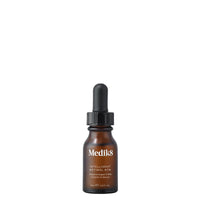
- Medik8 Intelligent Retinol 3 TR (0.3%) — A time-release formula that delivers retinol gradually throughout the night, dramatically reducing the chance of irritation. Buffered with vitamin E and shea butter.
- IMAGE Skincare Ageless Total Retinol A Crème — A rich, hydrating cream base that makes the introduction to retinol exceptionally gentle. Ideal for dry or sensitive skin types.
- ZO Skin Health Radical Night Repair 1% — For those who have already used lower-strength retinol and want to progress. A consultation is recommended before use.
How to Build Retinol Into Your Routine
Weeks 1–2: Apply a pea-sized amount to clean, dry skin two nights per week. Wait 20 minutes after cleansing before applying. Follow with your regular moisturiser.
Weeks 3–4: If skin is tolerating well (minimal dryness, no significant irritation), increase to three nights per week.
Month 2+: Progress to every other night, then nightly if your skin is happy.
Always use a broad-spectrum SPF of at least 30 the following morning. Retinol increases photosensitivity.
Frequently Asked Questions
Can I use retinol every night as a beginner?
No — this is the most common mistake. Start with two nights per week and build gradually over 8–12 weeks. Your skin needs time to adapt.
Can I use retinol with vitamin C?
Use them in separate routines. Vitamin C in the morning (always followed by SPF), retinol at night. Layering them together increases the risk of irritation with little extra benefit.
How long before I see results from retinol?
Expect improved texture within 4–6 weeks. Visible reduction in fine lines and pigmentation typically takes 3–6 months of consistent use.
Do I need a consultation for retinol at Celsia?
Lower strengths (up to 0.5%) are available to purchase directly. Medical-grade formulas of 1% and above require a free consultation to ensure they're appropriate for your skin type.
Ready to find your perfect retinol?
Take our free skin consultation or browse our full retinol range.

Dr. Tanveer Ahmed
MBBS/FCPS · Founder & Clinical Director, Celsia Skin
MBBS/FCPS · Founder & Clinical Director, Celsia Skin
Was this content helpful?
Thank you for your feedback — it helps us improve.
Good to know
Frequently asked questions
What strength retinol should a beginner start with in the UK?
Start at entry level — around 0.1–0.3% retinol or a gradual-release formula — applied two nights a week, building to nightly over 4–6 weeks. Increase frequency before strength. Stepped systems such as Medik8's retinal ladder formalise this progression so your skin adapts without irritation.
How long does retinol take to show results?
Expect smoother-looking texture and tone at around 8–12 weeks of consistent use, with the appearance of fine lines improving from 12 weeks onwards. Retinoids reward patience — nightly consistency over months matters far more than strength over weeks.
Is retinol purging normal, and how long does it last?
A short flurry of small breakouts in the first 2–6 weeks is common as cell turnover speeds up, and it settles on its own. Persistent stinging, rawness or flaking is different — that is irritation, and the fix is to reduce frequency and buffer with moisturiser.
Can I use retinol with vitamin C or exfoliating acids?
Yes, but not stacked in the same routine while you are building tolerance. The cleanest pattern is vitamin C in the morning under SPF and retinol at night, with any exfoliating acid on a separate, retinol-free evening.
Do I need to wear SPF every day while using retinol?
Yes — retinoids increase sun sensitivity, so a broad-spectrum SPF 30–50 every morning is non-negotiable, even on cloudy UK days. NHS sun-safety guidance covers how much to apply and when to reapply.