Central Heating
Quick answer: Central heating lowers indoor humidity, which pulls moisture out of skin faster than it can be replaced — leaving it feeling tight, dry, or dull once heating season starts. Switching to a richer, ceramide-based moisturiser and layering in a hydrating serum as temperatures drop helps skin cope better with dry indoor air through autumn and winter.
Does central heating damage my skin?

Central heating doesn't damage the skin the way UV exposure or harsh actives might, but it does create an environment that can significantly increase water loss from the skin's surface — a process known as transepidermal water loss. Indoor heating reduces relative humidity, and low-humidity air draws moisture out of the outermost layer of skin more readily. For people who already have a compromised barrier or naturally drier skin, this effect tends to be more noticeable and can show up as:
- Flaking or rough texture
- A persistent feeling of tightness
- Increased sensitivity or reactivity
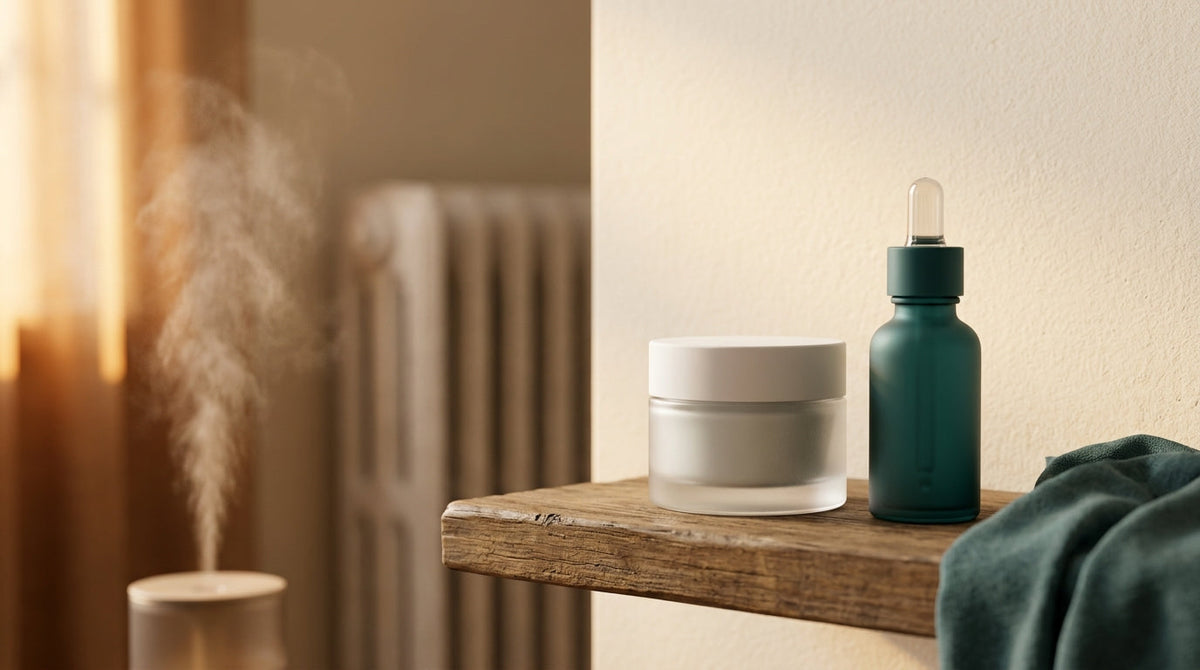
The good news is that this dryness is generally manageable with the right approach. Using a ceramide-rich moisturiser helps reinforce the skin's natural barrier, reducing how much moisture escapes even in a dry, heated environment. Layering a hydrating serum containing ingredients like hyaluronic acid underneath a richer moisturiser can also help draw and lock in water more effectively. Simple environmental changes, such as using a humidifier in rooms where you spend a lot of time, or keeping heating at a moderate rather than high setting, can further reduce how much the air affects your skin. If dryness becomes persistent, cracked, or uncomfortable despite these changes, it's worth checking in with a GP or dermatologist, or booking a consultation with our team.
Should I switch to a richer moisturiser in autumn?
For most people, yes — switching to a richer, more emollient moisturiser as the weather cools and central heating switches on tends to better support skin that's losing more moisture to a drier indoor environment. Lightweight, gel-based moisturisers that felt comfortable in summer's warmth and humidity often aren't enough once heating starts pulling moisture from the air, so skin can start to feel tight or look dull even with the same routine that worked well a few months earlier.
A richer autumn moisturiser typically contains a higher concentration of emollient and occlusive ingredients, which help form a protective layer on the skin's surface and reduce water loss more effectively than lighter summer formulas. Common examples include:
- Ceramides
- Shea butter
- Fatty acids
It doesn't necessarily mean switching to a heavier product across the board; many people find that layering a hydrating serum under a slightly richer moisturiser by day, and using a more nourishing night cream to support repair while you sleep, strikes the right balance. Paying attention to how your skin actually feels — tight, flaky, or dull are good cues — rather than switching purely by calendar date, tends to give the best results, since everyone's skin responds a little differently to seasonal changes.
If you're unsure which texture or formulation suits your skin as the seasons change, our team can help during a consultation, taking into account your skin type and how it's been behaving recently.
Give your skin what heating season takes away
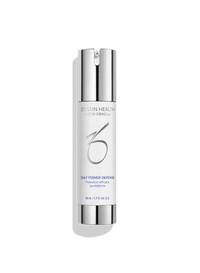
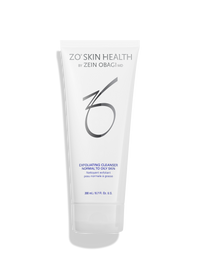
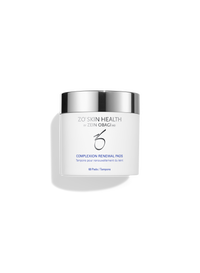
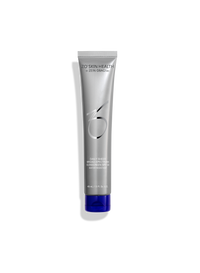
As the heating comes on, your skin's needs change too. Explore our ceramide moisturisers and hydrating serums, or book a consultation to find the right texture for your skin this autumn.
Educational content only — not medical advice. Persistent, cracked, or uncomfortable dryness deserves a GP or dermatologist review.

Dr. Tanveer Ahmed
MBBS/FCPS · Founder & Clinical Director, Celsia Skin
MBBS/FCPS · Founder & Clinical Director, Celsia Skin
Was this content helpful?
Thank you for your feedback — it helps us improve.
Good to know
Frequently asked questions
Does central heating damage my skin?
Central heating doesn't damage skin directly, but it lowers indoor humidity, which increases moisture loss from the skin's surface and can leave it feeling dry, tight, or irritated over time.
Should I switch to a richer moisturiser in autumn?
For most people, yes. A richer, more emollient moisturiser with ceramides helps counter the extra moisture loss caused by drier, heated indoor air.
Can a humidifier help with heating-related dryness?
Yes, using a humidifier in rooms where you spend a lot of time can help offset the low humidity caused by central heating and reduce moisture loss from the skin.
How do I know if my moisturiser is too light for autumn?
If your skin feels tight, flaky, or dull shortly after applying moisturiser, or by midday, it may be a sign you need a richer, more occlusive formula for the season.
Should I change my whole routine for autumn, or just my moisturiser?
Often just adjusting your moisturiser and adding a hydrating serum is enough, but it's worth reviewing your full routine if dryness persists despite these changes.