Autumn Skincare
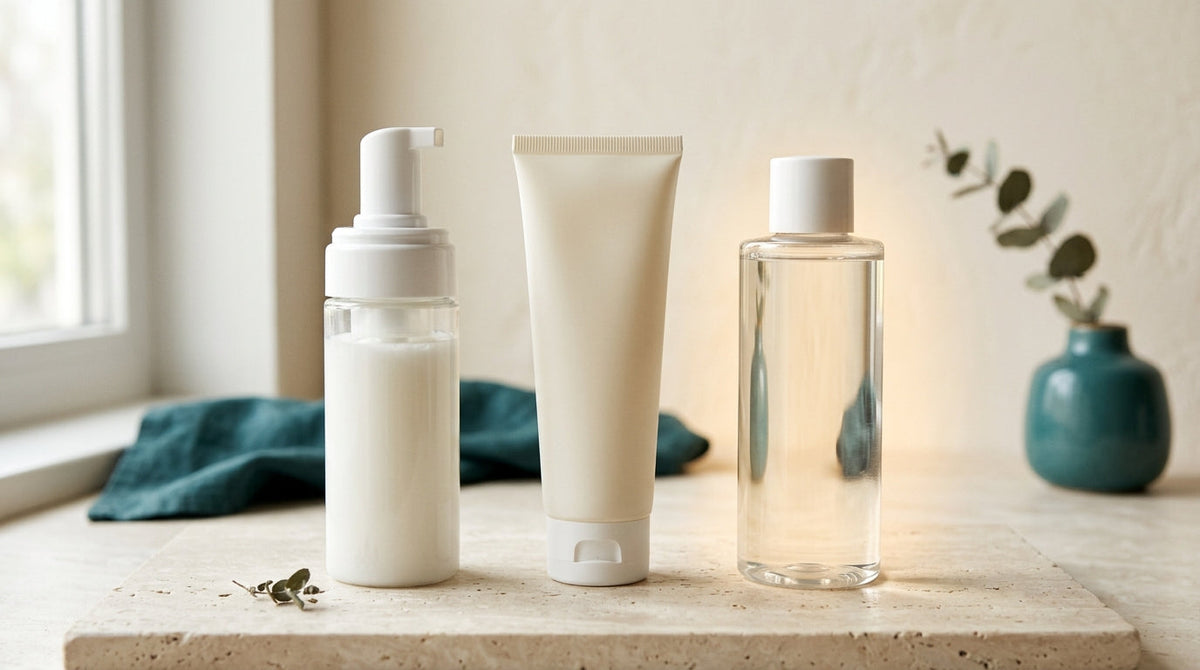
Quick answer: A gentle, low-foaming or cream-based cleanser is the best choice for sensitive or autumn-sensitised skin, since it cleans without stripping the barrier lipids skin relies on more as the weather turns cooler and drier. You don't need to switch cleansers every season, but if you're introducing more actives or noticing new tightness or redness, moving away from foaming, high-surfactant formulas is often the single most effective change.
What kind of cleanser is best for sensitive skin?
For sensitive skin, look for a cleanser that removes dirt, oil and residue without disrupting the skin's natural barrier in the process. A few features make the biggest difference:
- Texture: cream, milk and gel-to-oil cleansers clean through emulsification rather than aggressive lathering, leaving more natural lipids intact.
- pH: formulas closer to skin's naturally slightly acidic surface tend to be better tolerated than alkaline, soap-based cleansers.
- Fragrance: a fragrance-free or minimally fragranced formula is a sensible default if you're unsure what's triggering irritation.
- Finish: if skin feels tight or squeaky-clean immediately afterwards, that's often a sign the cleanser is more stripping than it needs to be, even if it feels satisfying in the moment.
A gentle cleanser formulated for sensitivity paired with lukewarm rather than hot water can make a meaningful difference to how comfortable your skin feels day to day. For persistent reactivity, redness, or suspected rosacea, the British Association of Dermatologists (skinhealthinfo.org.uk) is a reliable source of general public information, and our consultation service can help with product-specific questions.

Do I need to switch cleanser for autumn?
Not everyone needs to change cleanser for autumn, but it's a useful check-in point, especially if your skin becomes more reactive as humidity drops and heating starts. If you're using a foaming or clarifying cleanser chosen for summer's oilier conditions, it's worth reassessing once skin starts feeling tighter or more easily irritated — a formula that felt balancing in July can feel stripping by October.
This is also when many people layer in more actives, such as retinol or AHAs and BHAs, and a gentler cleanser gives the skin barrier more of a buffer while it adjusts. A simple, non-stripping gel or micellar cleanser is a practical choice for this transitional period. If your skin doesn't feel any different this time of year, there's no need to change a cleanser that's clearly working for you — this is a decision to make based on how your own skin responds, not a blanket seasonal rule.
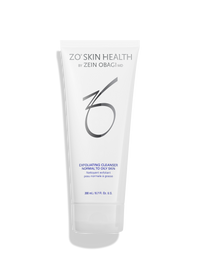
Explore our sensitivity-friendly cleansers, and if you're not sure whether your reactivity is simply seasonal or something like rosacea, book a consultation with our team.
Educational content only — not medical advice. Persistent redness, stinging or suspected rosacea deserve a GP or dermatologist review.

Dr. Tanveer Ahmed
MBBS/FCPS · Founder & Clinical Director, Celsia Skin
MBBS/FCPS · Founder & Clinical Director, Celsia Skin
Was this content helpful?
Thank you for your feedback — it helps us improve.
Good to know
Frequently asked questions
What ingredients should sensitive skin avoid in a cleanser?
Fragrance and harsh, high-foaming surfactants are common triggers for sensitive or reactive skin. A gentle, fragrance-free cream or gel cleanser is usually a safer starting point.
Is a foaming cleanser bad for sensitive skin?
Not inherently, but many foaming formulas use surfactants that can strip natural oils more than sensitive skin can tolerate. Cream or low-foaming alternatives are often better suited.
Why does my usual cleanser feel different in autumn?
As humidity drops and skin produces less surface oil, a cleanser that felt balancing in summer can start to feel stripping. This is a common seasonal shift rather than a sign of a faulty product.
Should I switch cleanser before starting retinol or acids?
A gentler cleanser can give your skin barrier more of a buffer while it adjusts to new actives like retinol or AHAs/BHAs. It's a sensible precaution during any transitional period.
How do I know if my skin is sensitised rather than naturally sensitive?
Sensitised skin often develops reactivity due to external factors like weather, over-exfoliation, or new products, whereas naturally sensitive skin tends to react consistently. A consultation can help you tell the difference.