Autumn Skincare
Quick answer: Dark circles often look more pronounced in autumn because shorter daylight hours, more indoor heating and screen time, and disrupted sleep all reduce hydration and circulation around the delicate eye area — not because your genetics have changed. Genetics set your baseline (thinner skin, more visible blood vessels, or deeper pigmentation), but seasonal dehydration and tiredness are usually what tip things from barely noticeable to obvious. The seasonal part is very manageable with a few consistent habits.
What causes dull skin in autumn and winter?
Several factors combine to make skin look duller and less radiant as the weather turns, and the eye area — where skin is thinnest — tends to show it first.
- Central heating and cooler air reduce ambient humidity, drawing moisture out of the skin's outer layer and slowing the natural cell turnover that keeps skin looking fresh.
- Reduced daylight can affect sleep quality and mood, both of which show up on the skin.
- Relaxed SPF habits once the sun feels weaker, even though UV exposure and screen-related blue light continue to affect skin year-round.
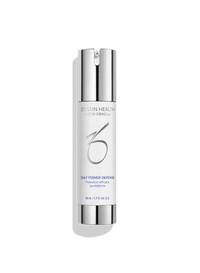
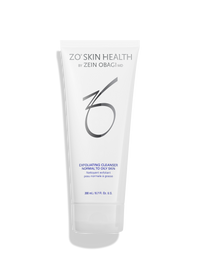
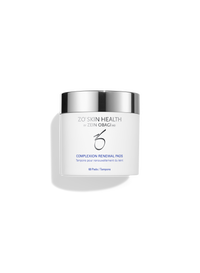
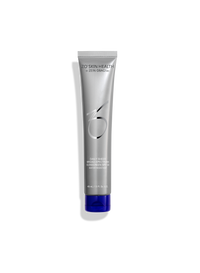
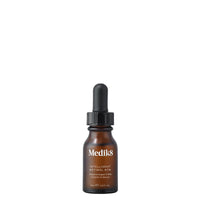
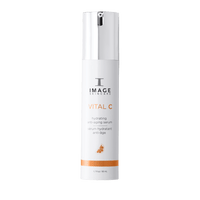
Supporting skin through this transition usually comes down to a few consistent habits: richer hydration, gentle exfoliation to help with cell turnover, and antioxidant support. Vitamin C is widely used to help support a brighter-looking complexion, while hyaluronic acid helps draw and hold moisture in the skin. Gently incorporating products from our texture and dullness range can also help address flakiness and uneven tone. As always, daily SPF remains relevant even on grey autumn days, since UV rays pass through cloud cover.

Does sleep make a difference to dark circles?
Sleep quality has a meaningful, well-documented effect on how dark circles and under-eye puffiness appear. Poor or disrupted sleep can cause blood vessels under the thin under-eye skin to dilate and become more visible, contributing to a bluish or darker tint, and can also lead to fluid retention that casts shadows and emphasises hollows. Shorter days in autumn often disrupt the body's natural sleep-wake rhythm, and increased evening screen time can further delay sleep onset — so it's a genuinely seasonal problem for a lot of people, not just an autumn myth.
That said, sleep is only part of the picture. Genetics play a real role in determining how visible under-eye blood vessels and pigmentation are, and this baseline won't change from better sleep alone — it simply becomes less exaggerated when skin is well-rested and hydrated. Building a consistent sleep routine alongside a hydrating, antioxidant-supported eye and face regimen tends to give the most noticeable improvement in appearance.
If autumn is making your eye area look more tired than usual, small consistent changes — better hydration, antioxidant support and steady sleep habits — tend to help more than any single product. Browse our vitamin C and hyaluronic acid ranges, or book a consultation for a more personalised look at what's driving your dark circles.
Educational content only — not medical advice. Dark circles that are long-standing or accompanied by other symptoms are worth discussing with a GP.

Dr. Tanveer Ahmed
MBBS/FCPS · Founder & Clinical Director, Celsia Skin
MBBS/FCPS · Founder & Clinical Director, Celsia Skin
Was this content helpful?
Thank you for your feedback — it helps us improve.
Good to know
Frequently asked questions
Why do dark circles seem worse in autumn and winter?
Shorter days, indoor heating and disrupted sleep patterns all reduce skin hydration and can affect circulation around the eyes, making dark circles more noticeable. Genetics set your baseline, but seasonal dehydration and tiredness usually make the difference more visible.
Are dark circles caused by genetics or lifestyle?
Both play a part. Genetics can determine skin thinness and how visible blood vessels or pigmentation are under the eyes, while lifestyle factors like sleep, hydration and screen time influence how pronounced this appears day to day.
Does more sleep actually reduce dark circles?
Better sleep can help reduce the appearance of dark circles by supporting circulation and reducing fluid retention around the eyes. It won't change your underlying genetic baseline, but it often makes a visible difference to how rested the eye area looks.
What ingredients help with dullness and dark circles in colder months?
Vitamin C is commonly used to help support a brighter-looking complexion, while hyaluronic acid helps the skin hold onto moisture. A consistent hydrating routine tends to help more than any single product used occasionally.
Should I see someone about persistent dark circles?
If dark circles remain prominent regardless of sleep or season, a consultation can help assess what's realistic for your skin and suggest a suitable approach.