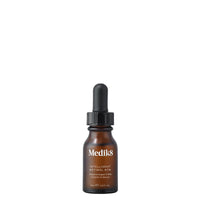
Skin Barrier
Quick answer: holiday skin stress comes from three directions — extremely dry cabin air, stronger UV than you're used to, and disrupted routines. The counter-plan is simple: hydrate before and during the flight, commit to broad-spectrum SPF with high UVA on the ground, and support your skin barrier every evening rather than piling on new actives.
Do you really need SPF on a plane?
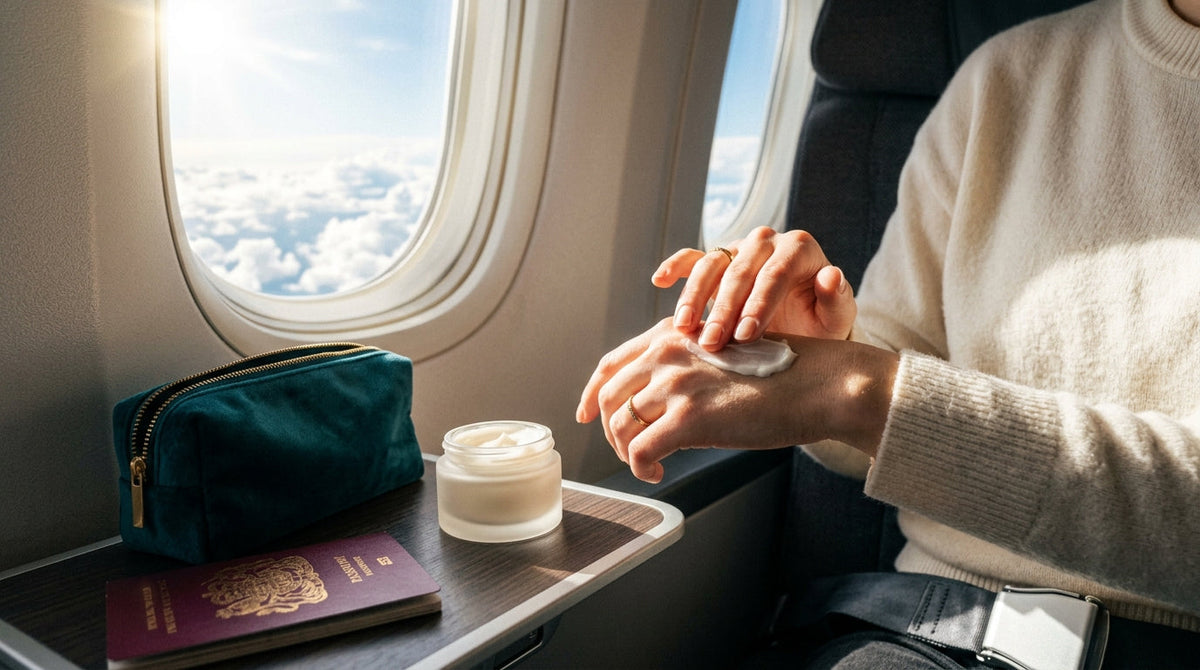
UVB is largely filtered by aircraft windows, but UVA — the ageing wavelength — passes through glass, and at cruising altitude UV intensity is higher than at sea level. If you're in a window seat on a daytime flight, a broad-spectrum facial SPF is a sensible habit. The bigger in-flight issue is humidity: cabin air sits far below the level skin is comfortable at, pulling moisture out for hours.

The flight routine (keep it boring)
- Board with clean, moisturised skin — a hyaluronic acid serum under a barrier-supportive cream slows water loss.
- Skip make-up if you can; reapply moisturiser mid-flight on long hauls.
- Window seat, daytime: apply facial SPF from the sun protection collection.
On the ground: strong sun without the damage
- Broad spectrum, high UVA, SPF 50 for holiday sun — reapplied every two hours and after swimming. "Water-resistant" means it survives some water exposure, not a full afternoon in the pool. See the NHS's sun safety guidance for more on choosing and applying sunscreen correctly.
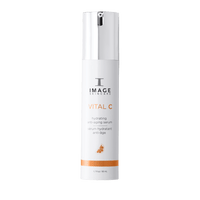
- Morning antioxidant serum — topical vitamin C is well studied for helping defend the look of skin against photoageing, and pairs naturally under SPF.
- Pause the strong actives. A beach week is the wrong time for high-strength retinoids or daily acids — they increase sun sensitivity just when exposure peaks.
Evening: barrier first, everything else second
After a day of sun, salt and chlorine, skin needs replenishment, not exfoliation. Cleanse gently, then layer a hydrating serum with a richer barrier-repair moisturiser. If skin feels hot or tight, a calming mist or gentle cream from Avène helps comfort it. Save the repair projects — pigmentation, texture — for when you're home.
Planning a holiday routine around prescription-strength products? Take the free consultation first — our experts will tell you what to pause, what to pack and what to restart when you land home.
Educational content only — not medical advice.

Dr. Tanveer Ahmed
MBBS/FCPS · Founder & Clinical Director, Celsia Skin
MBBS/FCPS · Founder & Clinical Director, Celsia Skin
Was this content helpful?
Thank you for your feedback — it helps us improve.
Good to know
Frequently asked questions
Do I need SPF on the plane?
On daytime flights in a window seat, yes — UVA passes through aircraft glass and UV intensity increases with altitude. A broad-spectrum facial SPF plus a good moisturiser covers both the UV and the dry cabin air.
What is the difference between water-resistant and waterproof sunscreen?
No sunscreen is truly waterproof. Water-resistant means the SPF holds up for a limited period of water exposure — you still need to reapply after swimming and towelling.
Can strong sun damage my skin barrier?
Yes — UV exposure, salt water, chlorine and air conditioning all increase water loss and can leave skin feeling tight, rough and reactive. Gentle cleansing and barrier-supportive moisturisers each evening help skin recover overnight.
Should I stop retinol on holiday?
Most people should pause high-strength retinoids during a beach holiday: they increase sun sensitivity exactly when exposure peaks. Restart gradually once home — our consultation can map the safest schedule for you.