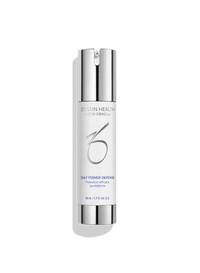
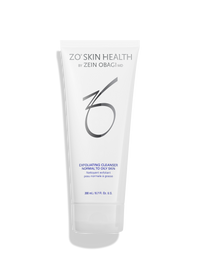
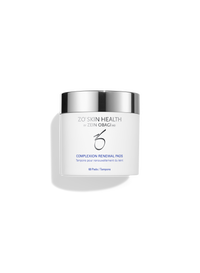
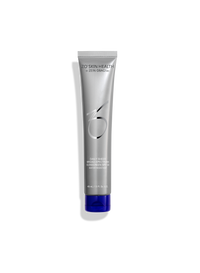
Retinol
Quick answer: No, retinol has not been banned in the UK. New regulation caps the maximum concentration of retinol allowed in leave-on cosmetics sold without medical supervision, so a small number of higher-strength over-the-counter formulas are being reformulated or moved into consultation-led or prescription-only routes. For most people this means checking product labels more closely, not clearing out the bathroom cabinet.
Is retinol banned in the UK?
Retinol itself is not banned in the UK. What has changed is how much of it cosmetic brands are permitted to include in products sold on the open market without medical supervision. UK and EU cosmetic regulators have tightened the rules around retinoids (the family of vitamin A derivatives that includes retinol, retinyl esters, and related ingredients) because at higher concentrations these ingredients are considered active enough to warrant restriction, similar to how prescription-strength retinoids like tretinoin have long been available only through a pharmacist or doctor. The regulation is a maximum-concentration limit, not a prohibition. Retinol serums, creams, and eye treatments remain widely available at concentrations that fall under the new ceiling, and many of the retinol products already on Celsia's retinol and retinoid shelf were formulated within these limits from the outset. What is changing is that a smaller number of higher-strength formulations, often marketed as "clinical strength" or similar, are being reformulated, discontinued, or shifted to routes that involve a consultation. If you are unsure whether a specific product you already own is affected, the safest step is to check the concentration stated on the packaging or the brand's website, and if in doubt, book a consultation with a skin specialist who can advise on a suitable alternative.

What percentage of retinol is legal now?
The new UK rules set a maximum permitted concentration for retinol and closely related retinoids in cosmetic products sold without medical supervision, bringing the UK broadly into line with EU cosmetic regulation limits on this ingredient family. Products formulated above that ceiling are being treated as outside the scope of general retail sale and are more likely to require a consultation-led or pharmacy-supervised route rather than sitting on an open shelf. In practice:
- Not affected — most mainstream retinol serums and night creams, including entry-level and mid-strength formulas
- Affected — some "maximum strength" retail products, now being reformulated to lower concentrations or repositioned
If you are shopping for retinol now, look for products that clearly state their percentage or formulation strength, and introduce any retinoid gradually, a few nights a week to start, alongside daily SPF, since retinoids can increase sun sensitivity. For anyone wanting a stronger or prescription-strength option, or simply wanting tailored advice on which strength suits their skin, a consultation is the appropriate next step rather than searching for a loophole product online.
If you're rethinking your retinol routine this September, our team can talk you through what has changed and help you find a formulation that fits your skin and the current rules. Book a consultation or browse our retinol and retinoid range to get started.
Educational content only — not medical advice. Regulations can change; always check current product labelling and speak to a pharmacist or dermatologist before starting or switching a prescription-strength retinoid.

Dr. Tanveer Ahmed
MBBS/FCPS · Founder & Clinical Director, Celsia Skin
MBBS/FCPS · Founder & Clinical Director, Celsia Skin
Was this content helpful?
Thank you for your feedback — it helps us improve.
Good to know
Frequently asked questions
Is retinol banned in the UK?
No. Retinol is not banned. New rules set a maximum concentration allowed in cosmetic products sold without medical supervision, so a small number of very high-strength formulas are being reformulated or moved to a consultation-led route.
What percentage of retinol is legal now?
UK rules now cap the concentration of retinol permitted in general retail cosmetics, broadly matching EU limits. Most everyday retinol serums and creams already sit within this limit; it mainly affects the strongest 'maximum strength' formulas.
Do I need to stop using my current retinol product?
Not necessarily. Check the concentration on the packaging or the brand's website. If you are unsure, a consultation can confirm whether your product is affected and suggest an alternative if needed.
Is prescription-strength retinoid still available?
Higher-strength retinoids remain available through supervised or prescription routes. A consultation can help determine whether a stronger option is suitable for your skin.
How should I introduce retinol into my routine?
Start gradually, a few nights a week, and always pair retinol with daily SPF, since retinoids can increase sun sensitivity.