Acne & Breakouts
Quick answer: Sunscreen itself is unlikely to be the true cause of breakouts for most people; the more common culprit is a heavy, comedogenic formula that clogs pores, or a mismatch between the SPF texture and your skin type. Choosing a non-comedogenic, oil-free sunscreen designed for acne-prone or oily skin can help you keep daily sun protection without triggering congestion.
Can sunscreen cause acne?

Sunscreen can contribute to breakouts, but it's usually the formulation rather than the SPF ingredients themselves that's responsible. Thick, occlusive, oil-based sunscreens can sit on the skin and trap sebum and debris in pores, particularly in warm or humid conditions, which may lead to congestion for people who are already prone to acne and breakouts. Some physical (mineral) sunscreens with heavier zinc oxide bases can feel particularly thick, while certain chemical filters and added fragrances or comedogenic oils in a formula can also be a factor for sensitive or reactive skin.
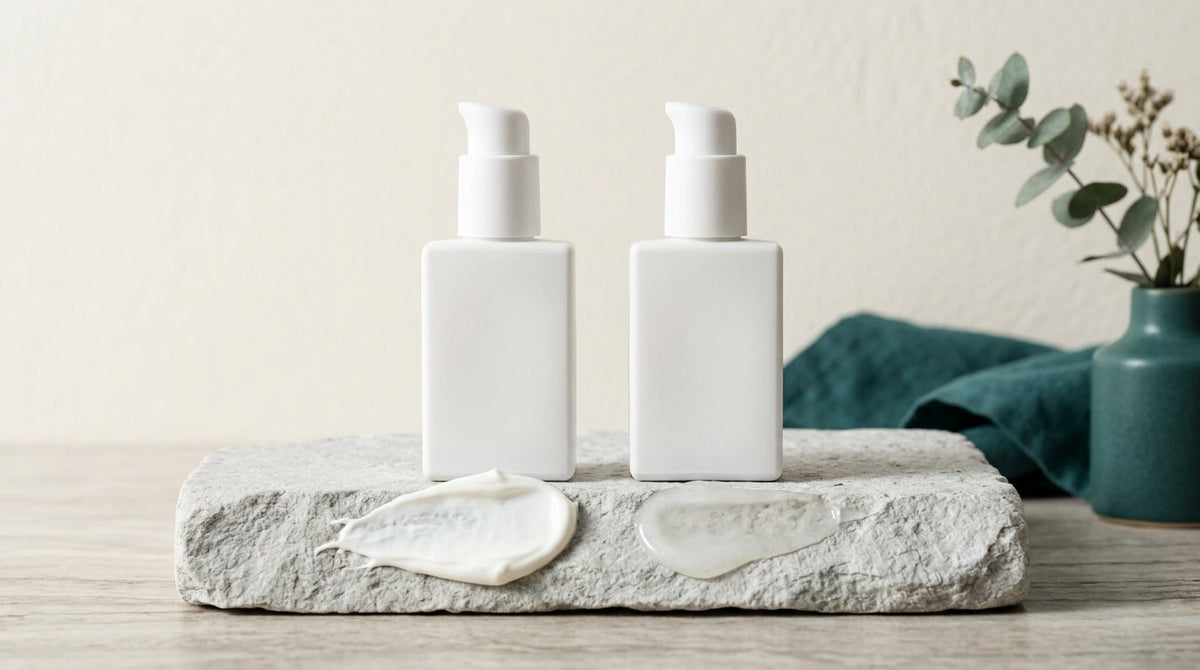
The good news is that sunscreen technology has moved on considerably, and there are now many lightweight, non-comedogenic, oil-free, and gel or fluid-textured SPF formulas specifically designed for oily and acne-prone skin. These are typically labelled "non-comedogenic" or "oil-free" and tend to absorb quickly without leaving a heavy residue. Applying sunscreen as the final step of a well-balanced routine, and making sure the rest of your products aren't independently contributing to congestion, can also make a noticeable difference. If breakouts persist despite switching formulas, a dermatologist or our consultation service can help pinpoint the cause more precisely, since acne can have several contributing factors beyond skincare alone.
The NHS and British Association of Dermatologists both note that consistent sun protection remains important for everyone, including those with acne-prone skin, so the goal should be finding the right SPF formula rather than skipping protection.
Should I stop SPF if it breaks me out?
Stopping sunscreen altogether isn't generally recommended, even as UK weather cools into autumn, because UV exposure continues on cloudy and overcast days and contributes to long-term skin ageing and other risks the NHS and BAD advise protecting against year-round. If a particular sunscreen is breaking you out, the better first step is usually to switch to a lighter, non-comedogenic SPF formulated for oily or acne-prone skin, rather than removing sun protection from your routine entirely.
When troubleshooting SPF-related breakouts, look at texture and ingredients together:
- Texture: gel, fluid, or "invisible" finish sunscreens tend to be lighter than cream or lotion formats
- Ingredients: labels reading "non-comedogenic" or "oil-free" are generally a safer starting point for congestion-prone skin
- Location: check whether breakouts appear specifically where sunscreen is applied, or across the whole face — the latter may point to another cause such as a moisturiser, makeup, or an unrelated factor like diet, hormones, or stress
Pairing a lighter SPF with an oil-control cleanser and a non-comedogenic moisturiser can help keep the whole routine balanced rather than isolating sunscreen as the sole issue. If you're unsure which formula suits your skin, our team can help you find a suitable option during a consultation, so you don't have to choose between sun protection and clear-feeling skin.
Find SPF that works with your skin, not against it
You shouldn't have to choose between sun protection and a clear complexion. Browse our non-comedogenic sunscreen range alongside our acne and breakout-friendly edit, or book a consultation for personalised guidance.
Educational content only — not medical advice. Persistent breakouts despite formula changes are worth a dermatologist or GP review.

Dr. Tanveer Ahmed
MBBS/FCPS · Founder & Clinical Director, Celsia Skin
MBBS/FCPS · Founder & Clinical Director, Celsia Skin
Was this content helpful?
Thank you for your feedback — it helps us improve.
Good to know
Frequently asked questions
Can sunscreen cause acne?
Sunscreen itself rarely causes acne, but thick, oil-based or occlusive formulas can clog pores in people prone to breakouts. Switching to a non-comedogenic, oil-free SPF usually resolves the issue.
Should I stop SPF if it breaks me out?
No, it's better to switch to a lighter, non-comedogenic sunscreen than to stop sun protection, since UV exposure continues year-round including on cloudy autumn days.
How do I know if my sunscreen is non-comedogenic?
Look for products labelled 'non-comedogenic' or 'oil-free', and prefer gel, fluid, or lightweight lotion textures over heavy creams or balms.
Do mineral sunscreens cause more breakouts than chemical ones?
It varies by person and formula. Some mineral sunscreens with heavier zinc oxide bases can feel thick, but many modern mineral formulas are lightweight and non-comedogenic, so texture matters more than filter type alone.
What order should I apply SPF in my routine?
Sunscreen is typically applied as the final step of a skincare routine, after moisturiser and before makeup, to ensure it forms an even, effective layer on the skin.