Oily Skin

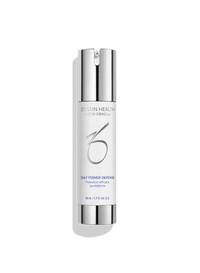
Quick answer: A simple oily-skin morning routine needs three things: a gentle cleanse, a lightweight oil-free moisturiser, and a mattifying, broad-spectrum SPF — you don't need heavier products just because temperatures drop. Oil-free, non-comedogenic formulas remain the priority, with SPF the step that's easiest to skip and most important to keep.
What is a simple morning routine for oily skin?

A straightforward morning routine for oily skin has three core steps:
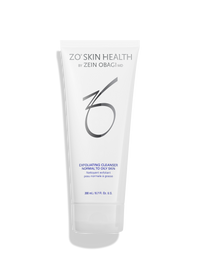
- Cleanse — a gentle, oil-free cleanser to remove overnight oil buildup without stripping skin, since over-cleansing can actually prompt skin to produce more oil to compensate.
- Hydrate — a lightweight, oil-free moisturiser in a gel or lotion texture rather than a rich cream; look for non-comedogenic labelling if breakouts are also a concern (see our acne and breakouts range).
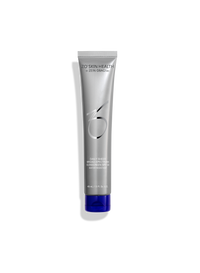
- Protect — a broad-spectrum SPF, ideally in a mattifying or oil-free formula so it doesn't add to midday shine.
In cooler autumn weather it's tempting to think UV exposure matters less, but UVA rays are present year-round regardless of cloud cover or temperature, so daily SPF remains essential. If you also use actives like niacinamide to help support the look of pores and oil balance, or a targeted acne treatment, these typically layer well into this three-step structure — apply thinner, water-based products first, then finish with moisturiser and SPF. Keeping the routine simple and consistent tends to serve oily skin better than adding many steps, and if you're dealing with persistent breakouts alongside oiliness, our consultation service can help build a more targeted plan.
Which SPF is best for oily, acne-prone skin?
For oily or acne-prone skin, the best SPF is generally a broad-spectrum, oil-free, non-comedogenic formula — often labelled as a gel, fluid, or "matte finish" sunscreen — rather than a traditional cream-based sunscreen, which can feel heavy and contribute to shine. Chemical (filter-based) formulas tend to sit more lightly and absorb faster, which many people with oily skin prefer, though mineral formulas have improved significantly and some newer mineral sunscreens are formulated specifically to control shine as well. The right choice often comes down to personal preference and how your skin responds, so it can be worth trying a couple of formats.
Beyond texture, look for sunscreens that describe themselves as non-comedogenic, meaning they're formulated not to clog pores, and broad-spectrum, meaning they protect against both UVA and UVB rays — SPF alone (which measures UVB protection) doesn't tell you about UVA coverage. Some mattifying sunscreens also contain ingredients like silica or niacinamide that help absorb surface oil throughout the day, which can be useful if you don't want to reapply powder or blotting products on top. Our SPF and sunscreen collection includes lightweight, oil-free options suited to oilier skin types. Daily SPF use is one of the most evidence-backed habits for long-term skin health, as recognised by NHS sun safety guidance, so it's worth finding a formula you'll actually want to wear every day rather than skipping it because previous sunscreens felt too heavy.
If you'd like help narrowing down a lightweight cleanser, moisturiser, and mattifying SPF suited to your specific skin, browse our oily-skin edit or speak to our team through consultation for tailored recommendations.
Educational content only — not medical advice. Persistent or painful breakouts deserve a GP or dermatologist review.

Dr. Tanveer Ahmed
MBBS/FCPS · Founder & Clinical Director, Celsia Skin
MBBS/FCPS · Founder & Clinical Director, Celsia Skin
Was this content helpful?
Thank you for your feedback — it helps us improve.
Good to know
Frequently asked questions
What is a simple morning routine for oily skin?
Cleanse with a gentle, oil-free cleanser, follow with a lightweight oil-free moisturiser, then finish with a broad-spectrum, mattifying SPF. Three consistent steps generally work better than a longer, heavier routine.
Should I skip moisturiser if my skin is oily?
No, oily skin still needs hydration. Skipping moisturiser can unbalance skin further. Choose a lightweight, oil-free gel or lotion formula instead of a rich cream.
Which SPF suits oily or acne-prone skin best?
Look for broad-spectrum, oil-free, non-comedogenic sunscreens, often in gel or fluid textures described as mattifying. Both chemical and modern mineral formulas can work well depending on personal preference.
Do I still need SPF in cooler autumn weather?
Yes. UVA rays are present year-round regardless of temperature or cloud cover, so daily SPF remains important even as the weather cools.
Can I use niacinamide in an oily-skin morning routine?
Yes, niacinamide is commonly layered into oily-skin routines to help support the look of pores and oil balance, and generally fits well before moisturiser and SPF.