Brightening

Quick answer: Dark spots often become most visible in September because pigment triggered by summer sun exposure can take several weeks to surface, and the contrast becomes clearer once your tan has faded. This is a common seasonal pattern that may fade gradually on its own, though stubborn patches usually respond better to a consistent brightening routine and daily SPF.
Why do I have dark spots after summer?
Pigmentation is your skin's response to stimulation of melanin-producing cells, and UV exposure is one of the strongest triggers. When skin is exposed to the sun, melanocytes ramp up production of melanin as a protective response, and this process does not always show up immediately. It can take several weeks for that extra pigment to travel to the surface of the skin and become visible, which is why many people notice new spots or patches appearing in September, well after the sunniest days of summer have passed. Heat, sweat, and higher humidity can also aggravate the skin barrier over summer, making it more reactive to further stimulation.
Once your tan starts to fade, the natural contrast between tanned and untanned skin lessens, but uneven patches of concentrated pigment can become more obvious against your natural, paler tone underneath. This is sometimes called post-inflammatory or sun-induced pigmentation, and it tends to sit on areas that get the most sun:
- Cheeks
- Nose
- Forehead
- Backs of the hands
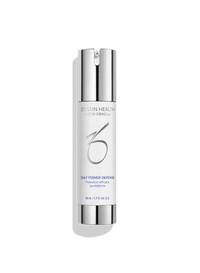
The good news is that this type of pigmentation is generally manageable with a consistent routine. Vitamin C and other brightening ingredients can help support a more even-looking tone, while targeted pigmentation products are formulated to work alongside daily SPF, which is essential because further UV exposure can deepen new spots and slow visible improvement.

Does pigmentation fade on its own?
Some post-summer pigmentation can fade gradually on its own, particularly when it is a mild, diffuse response to sun exposure rather than a deeper or more established form of pigmentation. As skin naturally renews itself over weeks and months, some of that surface pigment is shed and the area can appear to even out, especially once UV exposure decreases going into autumn and winter. However, fading on its own is often slow and inconsistent, and some pigmentation, particularly patches that have been triggered repeatedly over several summers, can become more persistent and resistant to fading without support.
Sun protection is the single most important factor either way: continued unprotected UV exposure will keep re-triggering pigment production and can undo any natural fading that has started. A daily broad-spectrum SPF is the baseline for allowing existing pigmentation to fade and for preventing new spots from forming. Alongside consistent SPF use, ingredients like vitamin C, niacinamide, and other brightening actives are designed to help support a more even skin tone over time, though results vary from person to person and typically take several weeks of regular use to become noticeable. If pigmentation looks like it is getting darker, spreading, or is not responding to a few months of a consistent routine, it is worth booking a consultation to check whether something more targeted, such as a professional-strength brightening programme, would suit your skin better.
If your summer tan has faded but left uneven patches behind, our team can help you build a routine to support a more even tone. Book a consultation or explore our pigmentation and dark spot collection.
Educational content only — not medical advice. New or changing pigmentation, especially anything asymmetric or evolving in shape, should be checked by a GP or dermatologist to rule out anything more than sun-related pigmentation.

Dr. Tanveer Ahmed
MBBS/FCPS · Founder & Clinical Director, Celsia Skin
MBBS/FCPS · Founder & Clinical Director, Celsia Skin
Was this content helpful?
Thank you for your feedback — it helps us improve.
Good to know
Frequently asked questions
Why do I have dark spots after summer?
UV exposure stimulates melanin-producing cells, and it can take several weeks for that extra pigment to surface. Once your tan fades, the contrast makes these patches more noticeable, so spots often become obvious in September.
Does pigmentation fade on its own?
Mild sun-induced pigmentation can fade gradually as skin renews itself, especially with less UV exposure in autumn. More established or repeatedly triggered pigmentation tends to be slower and may benefit from a consistent brightening routine and daily SPF.
What ingredients help with post-summer pigmentation?
Vitamin C, niacinamide, and other brightening actives are designed to help support a more even-looking skin tone over several weeks of consistent use, alongside daily SPF.
Is SPF still necessary once my tan has faded?
Yes. Continued UV exposure can re-trigger pigment production and slow or reverse any fading, so daily broad-spectrum SPF remains essential year-round.
When should I get pigmentation checked professionally?
If spots are darkening, spreading, or not responding after a few months of a consistent routine, a consultation can help determine whether a more targeted approach is suitable.