Hydration
Quick answer: a summer-battered barrier repairs in roughly 2–4 weeks if you stop the damage (pause acids and retinoids), support recovery (humectants + barrier-lipid moisturisers + gentle cleansing), and resist the urge to "treat" the irritation with more actives.
The signs your barrier took a beating
- Products that never stung now sting on application
- Skin feels tight after cleansing yet turns shiny within an hour
- Rough, flaky patches alongside reactive redness
- Breakouts in places you don't usually get them
Sun exposure, chlorine, salt water, air conditioning and a summer of acids and SPF-stripping cleansers all increase water loss through the skin — by late August, many routines have quietly outrun the barrier's ability to recover.
The 4-week reset
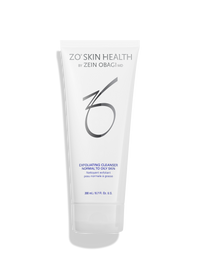
- Week 1 — stop the damage: pause exfoliating acids, retinoids and anything that tingles. Keep cleansing gentle (cream or gel, lukewarm water) — see Cetaphil and Avène.
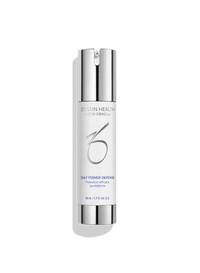
- Weeks 1–4 — support recovery: humectant serum (hyaluronic acid on damp skin — clinical work shows well-formulated HA measurably reduces water loss) sealed with a barrier-lipid moisturiser from the barrier repair collection. Morning SPF continues — a gentle mineral formula if skin is reactive.
- Week 3–4 — reintroduce slowly: one active at a time, twice a week, buffered with moisturiser. If stinging returns, back off another week.
Humectants vs occlusives vs barrier lipids
Humectants (HA, glycerin) pull water in; occlusives (petrolatum, dimethicone) seal it; barrier lipids (ceramides, cholesterol, fatty acids) rebuild the wall itself. A struggling barrier usually needs all three — which is why a serum + cream combination outperforms either alone.
What not to do
Don't exfoliate the flakes away (they're the symptom, not the problem), don't switch products daily, and don't restart everything at once in September. If your skin is also red-prone, the redness collection and a free consultation will keep the reset gentle enough.
Educational content only — not medical advice. Persistent redness, burning or broken skin deserves a GP visit.

Dr. Tanveer Ahmed
MBBS/FCPS · Founder & Clinical Director, Celsia Skin
MBBS/FCPS · Founder & Clinical Director, Celsia Skin
Was this content helpful?
Thank you for your feedback — it helps us improve.
Good to know
Frequently asked questions
What are the signs of a damaged skin barrier?
Stinging from previously fine products, tightness followed by shine, rough flaky patches, lingering redness and out-of-character breakouts are the classic cluster.
How long does it take to repair a skin barrier?
Typically 2–4 weeks with a simplified routine — longer if the damage was months in the making or actives are reintroduced too fast.
Should I stop retinol and acids to heal my barrier?
Yes — pause both until skin no longer stings, then reintroduce one at a time, twice weekly, buffered with moisturiser.
Can hyaluronic acid and ceramides fix my barrier?
They are the core pairing: hyaluronic acid draws water in (clinically shown to reduce water loss), while ceramide-rich creams rebuild the lipid wall that keeps it there.
Which moisturiser helps barrier recovery after sun?
Look for ceramides, cholesterol and fatty acids with minimal fragrance — the barrier repair collection is curated around exactly this brief.