Exfoliation
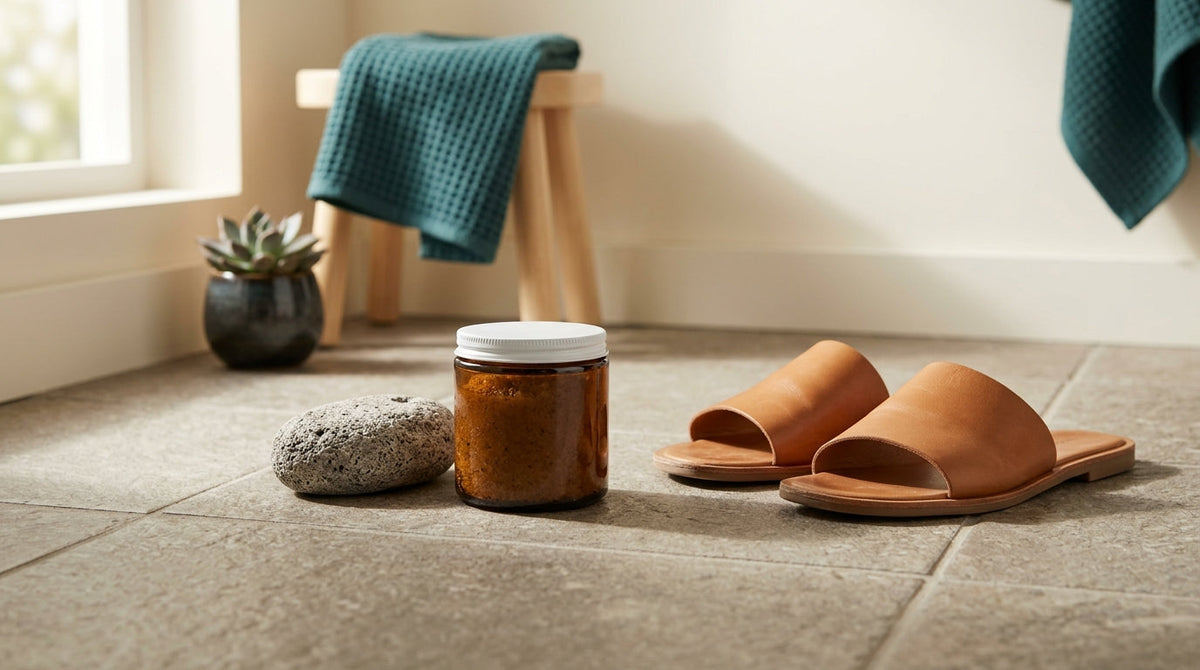
Quick answer: Feet generally need exfoliating every one to two weeks, more often on rougher areas like heels, to clear the thickened, dry skin that sandal season accelerates, while the rest of the body needs a gentler, less frequent approach. Warm weather, open shoes, and friction all speed up how quickly rough patches form on feet as summer winds down.
How often should you exfoliate your feet?
Feet, especially heels and the balls of the feet, can generally handle exfoliation more frequently than facial or body skin because the skin there is naturally thicker and under more daily pressure. As a general guide, exfoliating feet around once or twice a week is a reasonable starting point, using a foot file, pumice stone, or a chemical exfoliant formulated for tougher skin.
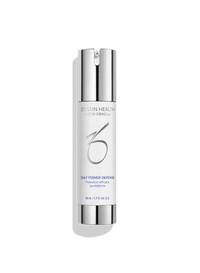
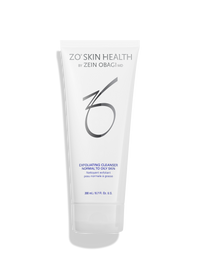
During sandal season, when feet are more exposed to friction from open shoes, walking barefoot, and sun, rough patches and hard skin tend to build up faster, so some people find twice-weekly sessions more effective at keeping things manageable. It's important not to over-exfoliate, though, particularly with physical tools, since removing too much skin too often can leave feet sore, cracked, or more vulnerable rather than smoother. Pairing exfoliation with a rich, barrier-supporting moisturiser afterwards helps lock in hydration and supports the skin's recovery between sessions. If cracked heels are a recurring problem, building in a consistent twice-weekly routine of gentle exfoliation followed immediately by a thick foot cream tends to work better than occasional, more aggressive attempts. Our AHAs & BHAs collection includes chemical exfoliants that can help soften built-up skin on feet more gently than physical scrubbing alone, particularly for anyone whose feet are prone to getting rough quickly.
What causes rough, dry skin on feet in summer?
Rough, dry skin on feet in summer usually comes down to a combination of factors:
- Increased friction from open sandals and more time spent barefoot
- Sun and heat exposure without the cushioning and protection closed shoes provide
- Sweat combined with dust and grit drawing moisture out of the skin's surface
- Swimming in chlorinated pools or salt water, both of which strip natural oils
- Long periods standing or walking in the heat
Over time, this repeated stress encourages the skin on feet, particularly heels, to thicken and harden as a protective response, which is what shows up as visibly rough or callused patches. The good news is that this kind of dryness generally responds well to a consistent routine of gentle exfoliation and rich, occlusive moisturising rather than needing anything more intensive. Wearing supportive, well-fitted footwear where possible, staying hydrated, and rinsing feet after swimming can also help reduce how quickly rough patches redevelop. If dryness is accompanied by pain, deep cracks, or skin changes that don't improve with basic care, it's worth checking with a GP or podiatrist rather than continuing with cosmetic exfoliation alone.

Is body exfoliation different from face exfoliation?
Yes, body exfoliation and face exfoliation generally call for different strengths and techniques because the skin varies considerably across these areas. Facial skin is thinner, more sensitive, and often already treated with active ingredients like retinoids, so it typically needs milder, more targeted exfoliation. Body skin, by contrast, is generally thicker and more resilient, particularly on areas like arms, legs, and feet, which means it can usually tolerate slightly stronger physical exfoliants or higher concentrations of chemical exfoliants such as AHAs.
That said, thinner-skinned body areas, like the chest or backs of the knees, still benefit from a gentler approach. A body scrub or brush used a couple of times a week is a common starting point for smoother, more even-looking skin, while chemical exfoliants can help with texture on areas prone to rough patches or ingrown hairs. As with the face, over-exfoliating the body can compromise the skin barrier and lead to irritation, so it's worth easing in gradually and watching how skin responds. If you're dealing with dullness or uneven texture across the body, not just the feet, our texture & dullness collection has options worth exploring, and for skin that feels reactive to exfoliation, it's worth checking our sensitivity range for gentler alternatives.
Smoother, more comfortable skin from top to toe is well within reach before summer wraps up, especially with the right balance of exfoliation and hydration for each area of the body. If you'd like tailored advice on building a body and foot care routine that suits your skin, our team at Celsia Skin would be glad to help — book a consultation whenever suits you.
Educational content only — not medical advice. Painful cracks or skin changes on the feet that don't settle with basic care are worth a GP or podiatrist review.

Dr. Tanveer Ahmed
MBBS/FCPS · Founder & Clinical Director, Celsia Skin
MBBS/FCPS · Founder & Clinical Director, Celsia Skin
Was this content helpful?
Thank you for your feedback — it helps us improve.
Good to know
Frequently asked questions
How often should you exfoliate your feet?
Once or twice a week is a reasonable starting point, using a foot file, pumice stone, or a gentle chemical exfoliant. During sandal season, twice-weekly sessions paired with a rich moisturiser can help keep rough patches more manageable without over-exfoliating.
What causes rough, dry skin on feet in summer?
Friction from open sandals, sun and heat exposure, sweat, and swimming in pools or the sea can all dry out and thicken the skin on feet. This builds up as visible rough patches, especially on heels, over the course of summer.
Is body exfoliation different from face exfoliation?
Yes. Facial skin is thinner and more sensitive, so it needs milder exfoliation, while body skin, especially on feet, is generally thicker and can tolerate stronger physical or chemical exfoliants, used gradually.
Can over-exfoliating feet cause problems?
Yes, exfoliating too often or too aggressively can leave feet sore, cracked, or more vulnerable rather than smoother. A consistent, moderate routine paired with moisturiser tends to work better than occasional intense sessions.
When should foot dryness be checked by a professional?
If dryness comes with pain, deep cracks, or skin changes that don't improve with basic care, it's worth checking with a GP or podiatrist rather than relying on cosmetic exfoliation alone.