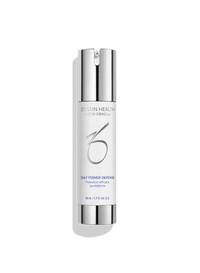
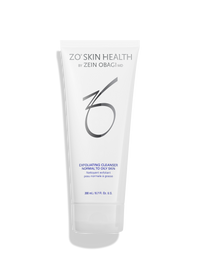
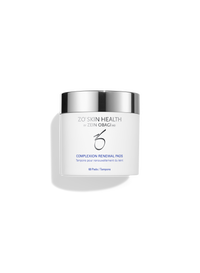
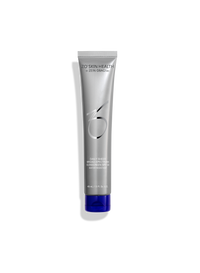
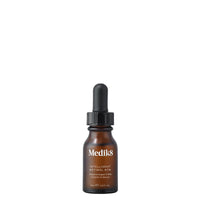
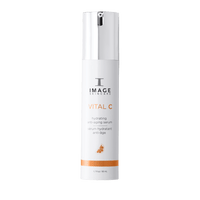
Hydration

Quick answer: After a summer of sun exposure, air conditioning, and possibly more frequent exfoliation or active ingredients, the skin barrier can end up compromised — showing up as tightness, dehydration, sensitivity, or dullness. Repairing it works best in order: pause strong actives first, then focus on gentle cleansing, hydration, and ceramide-rich barrier support, before slowly reintroducing actives once skin feels calmer.
How do I repair my skin barrier?

Skin barrier repair works best as a step-by-step process rather than adding everything at once:
- Simplify first — temporarily reduce or pause strong actives such as retinoids, exfoliating acids, or high-strength vitamin C, since these can slow down barrier recovery if introduced too early.
- Switch to a gentle cleanser — a non-foaming or low-foaming formula that won't strip the skin's natural oils.
- Add a hydrating layer — such as a hyaluronic acid serum to help draw moisture into the skin.
- Finish with ceramides — a moisturiser rich in ceramides, lipids that make up a significant part of the skin barrier's structure and help it retain moisture and resist irritants.
Consistency matters more than intensity here: applying a simple, supportive routine twice daily tends to work better than an occasional intensive treatment. Avoiding hot water when cleansing, minimising physical scrubs, and applying SPF daily (UV exposure itself can further damage barrier function) all support the same goal. Once skin feels more comfortable and less reactive, actives like retinoids or acids can usually be reintroduced gradually, one at a time, starting at a lower frequency. If your skin remains persistently uncomfortable, flaky, or reactive despite these changes, a consultation can help identify whether something else is contributing to the irritation.
How long does it take to repair skin barrier?
Skin barrier repair timelines vary from person to person, but many people notice initial improvements in comfort and hydration within two to four weeks of consistent, gentle care, while fuller structural repair can take six to eight weeks or longer in more significant cases. This is because the skin barrier relies on lipids and cell turnover processes that happen gradually rather than overnight, so visible improvement tends to build steadily rather than appearing all at once.
Several factors influence how quickly barrier function recovers:
- How compromised the barrier was to begin with
- How consistently a gentle, barrier-supportive routine is followed
- Whether ongoing triggers — harsh actives, over-cleansing, or continued sun exposure — are removed during recovery
Patience and consistency tend to matter more than trying new products frequently, since constantly switching formulas can itself be a source of irritation that slows things down. Sticking with a simple routine centred on gentle cleansing, hydration, and ceramide-rich moisturisation, while easing back into actives slowly, generally gives the barrier the best chance to recover fully. If your skin hasn't improved after several weeks of a consistent, gentle routine, it's worth getting a professional opinion, either from a GP, dermatologist, or through a consultation with our team, to rule out an underlying condition that needs different management.
Give your barrier the support it needs this autumn
A few weeks of the right order and the right ingredients can make a real difference to how your skin feels after summer. Explore our barrier repair collection, or book a consultation for a routine tailored to your skin's current needs.
Educational content only — not medical advice. Persistent discomfort or reactivity despite a gentle routine is worth a professional review.

Dr. Tanveer Ahmed
MBBS/FCPS · Founder & Clinical Director, Celsia Skin
MBBS/FCPS · Founder & Clinical Director, Celsia Skin
Was this content helpful?
Thank you for your feedback — it helps us improve.
Good to know
Frequently asked questions
How do I repair my skin barrier?
Pause strong actives, switch to a gentle cleanser, add a hydrating serum, and finish with a ceramide-rich moisturiser. Reintroduce actives slowly once skin feels calmer.
How long does it take to repair skin barrier?
Many people notice improvement within two to four weeks of consistent, gentle care, though fuller repair can take six to eight weeks or longer depending on how compromised the barrier was.
What are signs my skin barrier is damaged?
Common signs include tightness, flaking, dullness, increased sensitivity to products that didn't previously irritate skin, and a rough or uneven texture.
Can I still use retinol while repairing my skin barrier?
It's generally best to pause or reduce retinol use while the barrier recovers, then reintroduce it gradually at a lower frequency once skin feels more comfortable.
What ingredients help most with barrier repair?
Ceramides, fatty acids, and cholesterol are key barrier-supporting lipids, often paired with hydrating ingredients like hyaluronic acid and gentle, fragrance-free formulations.