Acne & Breakouts
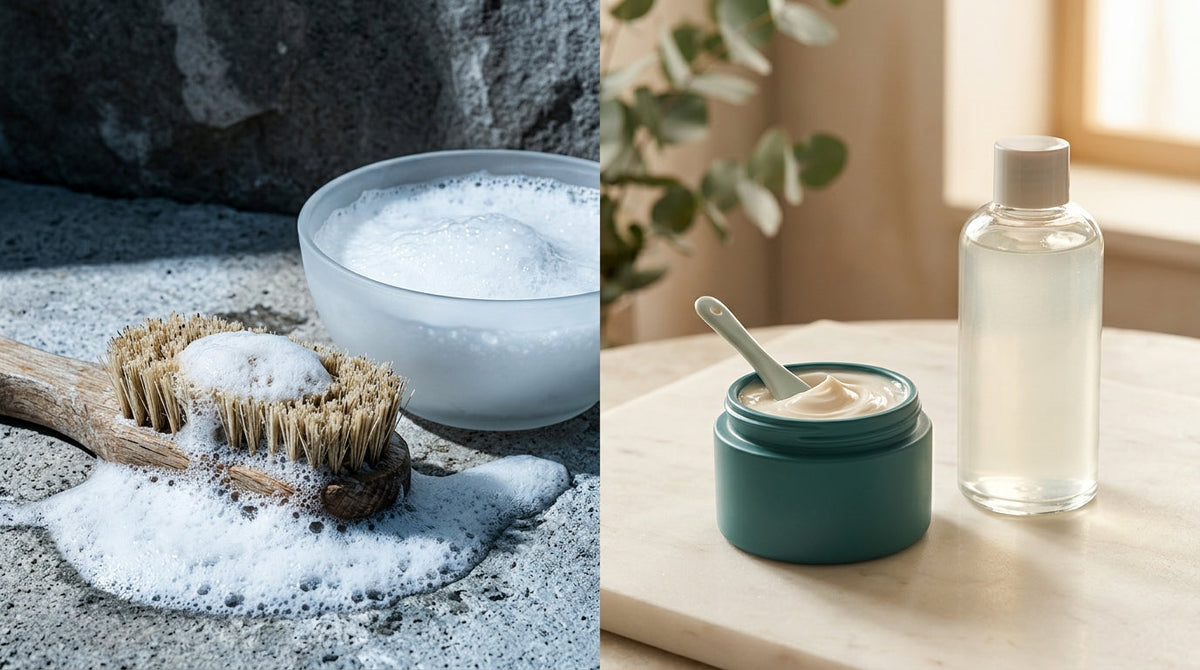
Quick answer: the classic summer mistake is fighting oil with aggression — stripping cleansers, daily scrubs, layered acids. A compromised barrier produces more oil and more reactive breakouts. The evidence-led approach: one targeted active (like a salicylic acid cleanser), barrier-supportive hydration, and SPF — nothing else daily.
What your skin barrier actually is
The outermost layer of your skin is a wall of cells held together by lipids. It keeps water in and irritants out. When it's damaged — by over-cleansing, over-exfoliating or sunburn — water escapes faster, skin feels tight yet oily, stings when you apply products, and breaks out more easily. If that sounds familiar by mid-July, your routine is probably the trigger. The NHS notes that over-washing and harsh scrubbing are common acne triggers worth ruling out first — see the NHS acne overview.
Signs you're stripping it
- Skin feels "squeaky clean" then shiny an hour later
- Products that never stung now sting
- Rough patches and small reactive bumps alongside your usual blemishes
- Redness that lingers after cleansing

The barrier-safe blemish routine
- AM: gentle gel cleanse, light hydrating serum, oil-free SPF from the sun protection collection.
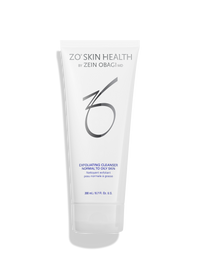
- PM: a salicylic-acid cleanser — recent clinical work shows well-formulated 2% SA cleansers can improve blemish-prone skin while maintaining barrier integrity — followed by a non-comedogenic moisturiser from the barrier repair collection.
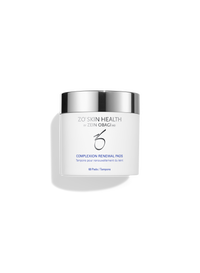
- 2–3× weekly maximum: any additional exfoliating step — and skip it the day after heavy sun.
What to drop in summer
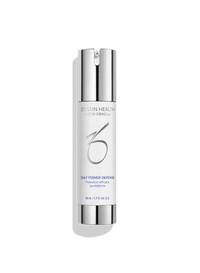
Physical scrubs on active breakouts, alcohol-heavy toners, and stacking multiple acids in one routine. If you use prescription-strength blemish treatments (like those in ZO Skin Health's consultation-gated range), summer is the season for careful spacing rather than doubling down — that's exactly what our free consultation maps out for you.
Browse gentle-but-effective options in the acne & breakouts collection, or start with the consultation and let our experts build the routine.
Educational content only — not medical advice. Persistent or painful acne deserves a GP or dermatologist appointment.

Dr. Tanveer Ahmed
MBBS/FCPS · Founder & Clinical Director, Celsia Skin
MBBS/FCPS · Founder & Clinical Director, Celsia Skin
Was this content helpful?
Thank you for your feedback — it helps us improve.
Good to know
Frequently asked questions
What is the skin barrier and how do I repair it?
It is the outermost layer of skin cells and lipids that keeps water in and irritants out. Repair it by simplifying your routine: gentle cleansing, hydrating serums, a barrier-supportive moisturiser and SPF — and pausing strong actives until it settles.
Can acne treatments damage my skin barrier?
Overused, yes — especially when several actives are stacked daily. Signs include stinging, tightness plus shine, and reactive bumps. Well-formulated treatments used at sensible frequency should not leave skin raw.
How do I know if my barrier is compromised?
Tight yet oily skin, stinging from previously fine products, lingering redness after cleansing and rough reactive patches are the classic signs.
Is salicylic acid safe to use in summer?
Yes at everyday strengths — a salicylic acid cleanser is one of the most barrier-friendly ways to manage summer breakouts. Pair it with daily SPF and avoid stacking it with other acids on the same day.
When should I see a GP about acne instead of using skincare?
See your GP if breakouts are painful and deep, leaving scars or dark marks, covering large areas, or affecting your mood — prescription treatment exists and works. NHS acne guidance explains the referral route. Cosmetic skincare supports blemish-prone skin; it does not treat the medical condition.