dark-spots

Dark spots on the face are usually a sign of excess pigment in the skin rather than dirt, poor hygiene or something you can scrub away. They can appear after sun exposure, acne, irritation, hormonal changes or certain skin conditions, and the right approach depends on understanding the cause first. With patient skincare, daily sun protection and suitable dark spot treatment, many marks can gradually look softer and less noticeable.
Why do dark spots on face appear?
Dark spots on face appear when the skin produces extra melanin, the pigment that gives skin its colour. This process is called hyperpigmentation, and it can leave patches, freckles or flat marks that look brown, grey-brown, tan or darker than the surrounding skin. Common triggers include sunlight, inflammation, acne, cuts, burns and melasma, so the same “dark spot” concern can have several different causes. (my.clevelandclinic.org)
That is why a one-size-fits-all routine rarely works. A mark left by a spot may behave differently from sun-related pigmentation or melasma, and irritation can sometimes make skin discoloration look worse. The practical starting point is to look at when the marks appeared, whether they follow breakouts or sun exposure, and whether they are changing in shape, colour or texture.
The most common causes of uneven skin tone
Uneven skin tone often builds gradually. You may notice a few marks after summer, darker patches around the cheeks, or brown spots where blemishes used to be. These are some of the most common reasons it happens.
Sun exposure
Ultraviolet light can encourage the skin to produce more pigment, which is why dark marks often deepen after time outdoors. Sun exposure can also make existing pigmentation harder to fade, especially if the skin is not protected consistently. Dermatology organisations commonly place sunscreen at the centre of dark spot care because treatment is less effective if new pigment is constantly being triggered. (aad.org)
Post-inflammatory pigmentation
Post-inflammatory hyperpigmentation can appear after acne, insect bites, scratches, rashes, burns or other irritation. As the skin heals, it may leave behind a darker flat mark even after the original bump or wound has gone. This is especially frustrating because the skin can feel smooth again while the colour lingers for weeks or months. (my.clevelandclinic.org)
Melasma
Melasma causes darker patches and spots, often on areas such as the cheeks, forehead, nose, upper lip and chin. It is linked with overactive pigment cells and may be influenced by sun exposure, visible light, hormonal changes and individual susceptibility. It is not cancerous, but it can be persistent and tends to need a careful, long-term approach rather than harsh quick fixes. (my.clevelandclinic.org)
Irritating skincare habits
Over-exfoliating, picking spots, using strong actives too often or scrubbing the skin can damage the barrier and trigger more inflammation. For some people, the attempt to remove dark spots quickly creates fresh irritation, which then leads to more pigmentation. A calmer routine is often more effective than an aggressive one.
Can you get rid of dark spots on face at home?
You may be able to fade the appearance of dark spots at home if they are mild, stable and related to common causes such as post-blemish marks or sun exposure. However, you should not try to diagnose changing, raised, bleeding, painful or rapidly darkening marks yourself, and persistent melasma or stubborn pigmentation may need professional advice. Home care is best thought of as a steady fading plan, not an overnight way to remove dark spots. (my.clevelandclinic.org)
A sensible routine focuses on three things: preventing new pigment, supporting skin repair and introducing brightening ingredients slowly. If your skin becomes red, sore, flaky or stinging, scale back. Irritation is one of the easiest ways to undo progress.
Useful habits include:
- Wear broad-spectrum sun protection daily. Apply it to exposed skin and use hats, shade and clothing as extra protection rather than relying on sunscreen alone. (nhs.uk) Our Colorescience Brightening Perfector SPF 20 combines daily sun protection with a brightening finish.
- Avoid picking blemishes. Squeezing spots increases inflammation and raises the chance of lingering marks.
- Introduce active ingredients gradually. Ingredients such as azelaic acid, vitamin C, niacinamide, retinoids or exfoliating acids may help some routines, but tolerance matters.
- Patch test new products. Test a small area first, especially if your skin is sensitive or reactive.
- Be patient. Pigmentation often fades slowly because the visible mark sits within the skin’s natural renewal cycle.
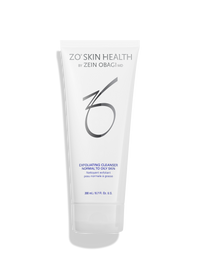
Choosing a cleanser for dark spots on face
A cleanser for dark spots on face will not usually fade pigmentation on its own, because it is rinsed away quickly. Its real job is to clean the skin without stripping it, support the rest of your routine and reduce the irritation that can make pigmentation worse. Think of cleanser as the foundation, not the full treatment.
Look for a gentle, non-abrasive formula that suits your skin type. If your skin is oily or breakout-prone, a mild gel cleanser may help remove excess oil without leaving the face tight. If your skin is dry or easily irritated, a cream or lotion cleanser may be more comfortable. Avoid rough scrubs, strong fragrance if you react to it, and the temptation to wash repeatedly throughout the day.
A balanced routine might look like this:
- Morning: gentle cleanse, antioxidant or brightening serum if tolerated, moisturiser, then sunscreen.
- Evening: cleanse, targeted dark spot treatment, then moisturiser.
- Weekly: review how your skin feels before adding exfoliation or stronger actives.
Dark spot treatment works best when it matches the cause
Dark spot treatment can include over-the-counter skincare, prescription creams, chemical peels, lasers or other professional options, depending on the type and depth of pigmentation. Some treatments can irritate the skin or worsen post-inflammatory hyperpigmentation, particularly when used too aggressively or without suitable guidance. This is one reason darker skin tones and melasma-prone skin often benefit from cautious, personalised care. (aad.org)

For everyday skincare, the safest strategy is consistency. Use sunscreen every morning, keep the skin barrier comfortable, and choose one or two targeted ingredients rather than layering many strong products at once. Our Colorescience Even Up Multi Correction Serum is formulated to target the look of uneven tone, dark spots and discolouration as part of a consistent routine. If you use retinoids, exfoliating acids or prescription lightening creams, follow directions carefully and avoid using them on irritated or broken skin unless a clinician has advised you to.
Professional treatments may be useful for stubborn marks, but they are not a shortcut for skipping sun protection. Procedures such as peels and lasers should be chosen with care because the wrong treatment, or the wrong intensity, may cause further discolouration. (my.clevelandclinic.org)
When to seek professional advice
Most facial pigmentation is harmless, but not every dark mark should be treated cosmetically without checking it first. Speak to a dermatologist, GP or qualified skin professional if a mark is new and changing, uneven in colour, bleeding, crusting, painful, growing quickly or different from your other marks. You should also get advice if pigmentation appears suddenly, spreads widely or does not improve despite careful skincare.
Professional support can help identify whether you are dealing with melasma, post-inflammatory pigmentation, sun spots, medication-related changes or another skin condition. Once the cause is clearer, it becomes easier to choose products and treatments that are appropriate rather than simply hoping to get rid of dark spots on face through trial and error.
Key takeaway
Dark spots are common, but they are not all the same. The most effective way to reduce the look of dark spots on face is to understand the trigger, protect your skin from the sun every day, avoid irritation and use targeted treatments patiently. If a mark looks unusual or your skin discoloration is persistent, professional advice is the safest next step before trying to remove dark spots more aggressively.
Was this content helpful?
Thank you for your feedback — it helps us improve.