Anti-Ageing

Quick answer: An effective autumn anti-ageing routine is built on consistency rather than quick fixes: daily SPF, a well-tolerated retinoid, an antioxidant like vitamin C, and steady hydration and barrier support, used correctly and given time to work. Skin ageing is influenced by cumulative sun exposure, lifestyle and genetics, so a routine built for the long term will always outperform anything promising overnight results — and autumn's cooler weather and lower UV intensity make it a practical time to reset.
What is the number one cause of wrinkles?
According to the NHS and the British Association of Dermatologists, cumulative sun exposure (photoageing) is widely regarded as the single biggest external contributor to visible skin ageing, including wrinkles, uneven texture and loss of firmness over time. UV radiation breaks down collagen and elastin faster than the body can replace them, and this damage builds up year after year, even on cloudy days or through car and office windows. Natural, chronological ageing also plays a role and cannot be avoided, but photoageing is the part most within your control.
This is exactly why daily SPF sunscreen is considered the foundation of any credible anti-ageing routine, not an optional extra. Other contributing factors include repeated facial expressions, smoking, and general lifestyle factors, but none tend to have the scale of impact that ongoing, unprotected UV exposure does. Pairing SPF with barrier-supportive skincare from our barrier repair range helps keep skin resilient enough to handle other actives well.

What is the best anti-ageing routine in your 30s and 40s?
There's no single universal routine, but a well-supported framework for your 30s and 40s typically includes four elements, used consistently:
- Daily SPF
- A retinoid to help support skin renewal and the appearance of fine lines
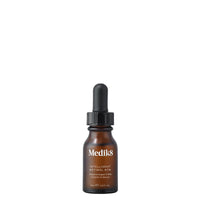
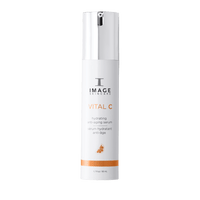
- An antioxidant serum such as vitamin C to help protect against environmental stress
- A hydrating, barrier-supporting moisturiser
Retinoids are one of the most researched ingredients for supporting the appearance of skin texture and fine lines over time, but they need to be introduced gradually, usually starting a few nights a week, to avoid irritation. Niacinamide is often layered in as well, since it's well tolerated alongside retinoids and can help support the look of an even, resilient complexion.
What separates a genuinely effective routine from a trend-driven one is patience: visible changes from actives like retinol and vitamin C typically take several weeks to a few months of consistent use to become noticeable, not days. It's also worth resisting the temptation to add too many new products at once, since this makes it harder to identify what's actually helping.
Longevity-focused skincare isn't about chasing the newest launch each autumn — it's a small set of well-evidenced habits, applied patiently, year after year. If you'd like a routine built around your specific skin and goals, get in touch through consultation.
Educational content only — not medical advice. If you're on prescription treatments or have a diagnosed skin condition, check with your GP or dermatologist before adding new actives.

Dr. Tanveer Ahmed
MBBS/FCPS · Founder & Clinical Director, Celsia Skin
MBBS/FCPS · Founder & Clinical Director, Celsia Skin
Was this content helpful?
Thank you for your feedback — it helps us improve.
Good to know
Frequently asked questions
What is the single biggest cause of wrinkles?
Cumulative sun exposure, known as photoageing, is widely regarded as the biggest external contributor to visible wrinkles and skin ageing. This is why daily SPF is considered the foundation of any anti-ageing routine.
What should a basic anti-ageing routine include?
A well-supported routine typically includes daily SPF, a gradually introduced retinoid, an antioxidant like vitamin C, and a hydrating, barrier-supporting moisturiser. Consistency over months matters more than the number of products used.
How long does it take to see results from retinol or vitamin C?
Visible changes in texture and tone from actives like retinol and vitamin C typically take several weeks to a few months of consistent use to become noticeable. Skincare results build gradually rather than overnight.
Is autumn a good time to start an anti-ageing routine?
Yes, cooler weather and lower UV intensity make autumn a practical time to introduce actives like retinol gradually, alongside consistent SPF use.
Do I need lots of products for an effective routine?
No. A simple, well-chosen routine followed consistently tends to outperform an elaborate one used sporadically, and introducing too many new products at once makes it harder to identify what's working.