Barrier Repair
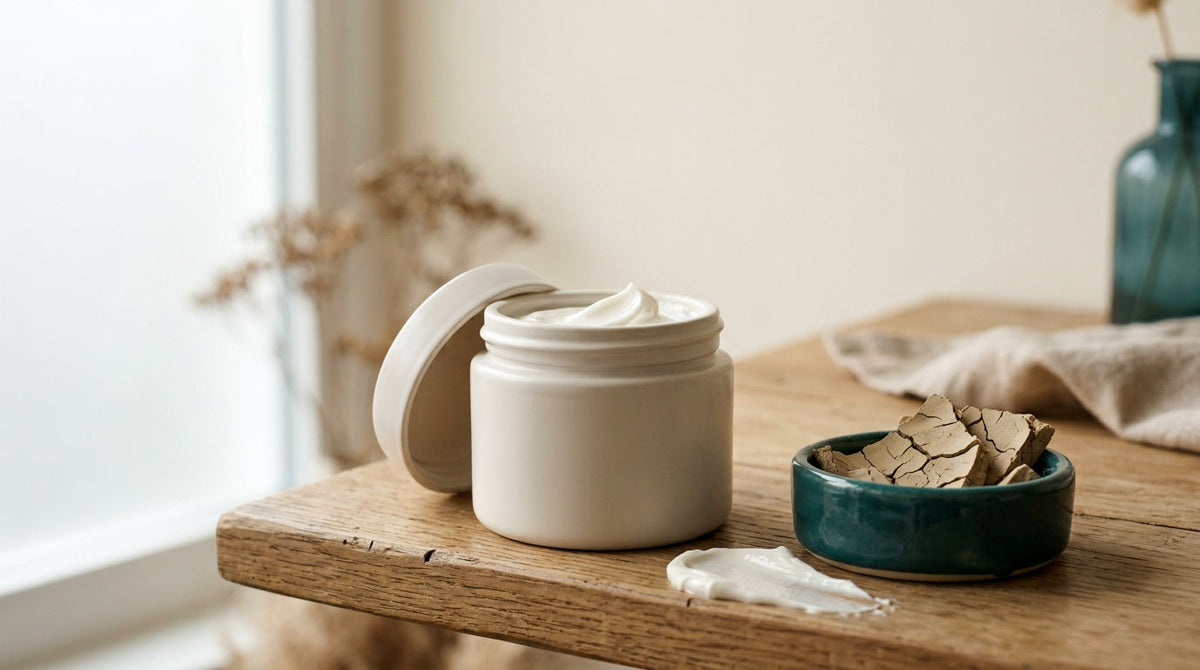
Quick answer: If a moisturiser that worked well all summer suddenly feels insufficient in September, it's usually a genuine drop in environmental humidity combined with central heating starting to come on, both of which pull moisture from skin faster than a lightweight summer formula can replace. Moving to a richer, more barrier-supportive moisturiser for autumn is generally the simplest fix.
Why is my skin drier in autumn?

Autumn brings a combination of changes that genuinely affect how skin holds onto moisture, so if your skin feels tighter, flakier, or duller than it did a few weeks ago, there's usually a straightforward explanation rather than anything going wrong beneath the surface. A few things change at once:
- Outdoor humidity drops as the weather cools, meaning there's less moisture in the air for skin to draw on.
- Central heating indoors dries the air further and can accelerate water loss through the skin's outer layer.
- Wind and cooler temperatures can also affect the skin's surface, and the shift from air conditioning to heating changes indoor air quality in a way many people don't consciously notice until their skin starts to react.
- Some people naturally produce a little less surface oil as temperatures drop, which can leave a formerly combination or oily skin type feeling drier than usual for the first time in months.
None of this means your underlying skin type has permanently changed, but it does mean the routine that worked for summer's warmer, more humid conditions may not give your skin what it needs once the air around it changes. Supporting the skin barrier with a richer barrier repair moisturiser and layering in a hydrating serum can help address this seasonal dryness. If dryness is severe, persistent, or accompanied by soreness or broken skin, the NHS (nhs.uk) has general guidance on when to seek further advice.
Should I switch moisturiser for autumn?
For many people, yes — switching to a richer, more emollient moisturiser as the weather cools is one of the most effective and low-effort changes you can make to keep skin comfortable through autumn. A lightweight summer gel or lotion is often designed to feel non-greasy in heat and humidity, which is exactly why it can start to feel insufficient once the air dries out and temperatures drop; it simply isn't designed to lock in as much moisture. Rather than replacing your entire routine, many people find it works well to layer a hydrating serum containing something like hyaluronic acid underneath a heavier barrier-supportive moisturiser, which helps draw in and then seal moisture more effectively than either step alone. It's also worth paying attention to how your skin responds to any active ingredients you're using, such as retinoids or exfoliating acids, since a compromised barrier from autumn dryness can make skin more reactive to products it tolerated well in summer. If your skin remains uncomfortable despite these changes, or if you're not sure which texture or ingredients would suit your skin best, our consultation service can help you build a routine suited to the season and your skin type.
Educational content only — not medical advice. If dryness is severe, persistent, or accompanied by soreness or broken skin, see a GP or dermatologist.

Dr. Tanveer Ahmed
MBBS/FCPS · Founder & Clinical Director, Celsia Skin
MBBS/FCPS · Founder & Clinical Director, Celsia Skin
Was this content helpful?
Thank you for your feedback — it helps us improve.
Good to know
Frequently asked questions
Why does my skin feel drier as soon as autumn starts?
Outdoor humidity drops, central heating switches on, and some people produce slightly less surface oil in cooler weather. Together these changes can pull moisture from skin faster than a lightweight summer moisturiser can replace it.
Do I need to change my whole skincare routine for autumn?
Not necessarily. Many people just need to layer a hydrating serum under a richer moisturiser, rather than replacing every product in their routine.
Can central heating make my skin worse?
Central heating dries out indoor air, which can increase moisture loss from the skin's surface over time. Using a humidifier and a richer moisturiser can help offset this.
Should I stop using retinol or acids when my skin feels dry?
A compromised barrier can make skin more reactive to actives it previously tolerated well, so it may help to reduce frequency temporarily while supporting the barrier. A consultation can help you adjust your routine appropriately.
How do I know if I need a richer moisturiser?
Signs like tightness after cleansing, flaking, dullness, or your usual moisturiser absorbing too quickly without lasting comfort are common cues that a richer, more barrier-supportive formula may suit you better.