Autumn Skincare
Quick answer: Skin often looks duller in September because cell turnover naturally slows as summer heat and humidity fade, letting dead skin cells build up on the surface for longer before they shed. Add in a summer's worth of sun exposure and the drop in humidity that comes with early autumn, and it's a genuinely common time for skin to look tired and uneven. Supporting cell turnover and hydration at this time of year helps restore a fresher-looking complexion.
Why is my skin dull all of a sudden?
Dullness that seems to appear out of nowhere in early autumn is usually the result of several small seasonal shifts happening at once rather than one single cause:
- Slower cell turnover as temperatures cool and humidity drops, leaving dead skin cells on the surface for longer
- A summer of sun exposure, even with SPF, which can leave skin looking tired and uneven
- Lower humidity in the air, leaving skin drier and affecting how light reflects off its surface
- Central heating starting to come on in the evenings, further drying the air and the skin
None of this is unusual or a sign that something has gone wrong with your skin; it's a genuinely common seasonal pattern. The most useful response is usually to support gentle, regular exfoliation to help surface cell turnover along, paired with strengthening hydration to offset the drier air, and continuing daily SPF since UV exposure doesn't disappear just because summer has ended. If dullness persists despite a solid routine, or if you notice it alongside other changes in your skin, it's worth a closer look with a professional via consultation.

Does dead skin build-up cause dullness?
Yes, a build-up of dead skin cells on the surface is one of the most common contributors to a dull, tired-looking complexion. Skin naturally sheds dead cells as part of its regular turnover cycle, but when that process slows down, as it often does with the seasonal shift into autumn, those cells can accumulate on the surface instead of shedding as they should. This build-up scatters light unevenly across the skin, which is part of what gives dull skin its characteristically flat, lacklustre look, and it can also make skin feel rougher to the touch and cause makeup to sit less smoothly.
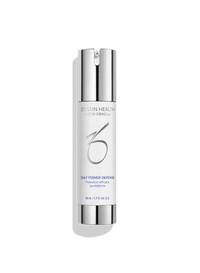
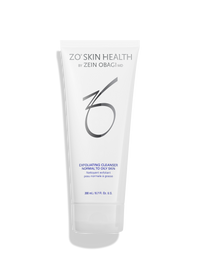
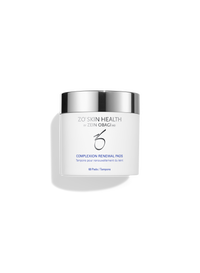
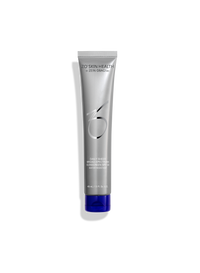
Gently supporting that turnover process is where exfoliation comes in, whether through a well-formulated product from our AHAs and BHAs collection to help support the removal of surface dead skin cells, or through a vitamin C product that can help support a brighter-looking complexion alongside its antioxidant role. It's worth introducing any exfoliating step gradually, particularly heading into autumn when skin can also be more prone to dryness, since over-exfoliating can compromise the skin barrier and make dullness and sensitivity worse rather than better. Pairing exfoliation with adequate hydration and a barrier-supporting moisturiser from our barrier-repair collection tends to give the most balanced results. If your skin doesn't respond as expected or you're dealing with persistent dullness alongside other symptoms, that's a good prompt to book a consultation rather than adding more products to the pile.
A few thoughtful adjustments to your routine this month — gentle exfoliation, a vitamin C step, and consistent hydration — can go a long way toward restoring a fresher-looking complexion. If you'd like a routine built specifically around your skin's needs this autumn, our team is here to help via consultation.
Educational content only — not medical advice. Persistent dullness alongside other changes, such as increased sensitivity or breakouts, deserves a professional review.

Dr. Tanveer Ahmed
MBBS/FCPS · Founder & Clinical Director, Celsia Skin
MBBS/FCPS · Founder & Clinical Director, Celsia Skin
Was this content helpful?
Thank you for your feedback — it helps us improve.
Good to know
Frequently asked questions
How often should I exfoliate to help with autumn dullness?
For most people, two to three times a week is a reasonable starting point, adjusted based on how your skin responds. Over-exfoliating can compromise the skin barrier, so it's better to build up gradually than to start too frequently.
Can dry indoor heating make dullness worse?
Yes, central heating lowers humidity in the air, which can leave skin drier and contribute to a duller appearance. Layering in a hydrating step and a barrier-supporting moisturiser can help offset this.
Should I switch to a richer moisturiser in autumn?
Many people find a slightly richer, more barrier-supporting moisturiser helpful as humidity drops, though it depends on your skin type. Layering hydration under a barrier-supporting cream is another option.
Is vitamin C still useful once summer is over?
Yes, vitamin C's antioxidant role and its support for a brighter-looking complexion are relevant year-round, not just during high-sun months. It also pairs well with daily SPF.
When should I see a professional about dull skin?
If dullness persists despite a consistent routine, or appears alongside other changes like increased sensitivity or breakouts, it's worth having a professional take a closer look rather than continuing to guess at home.