Exfoliation
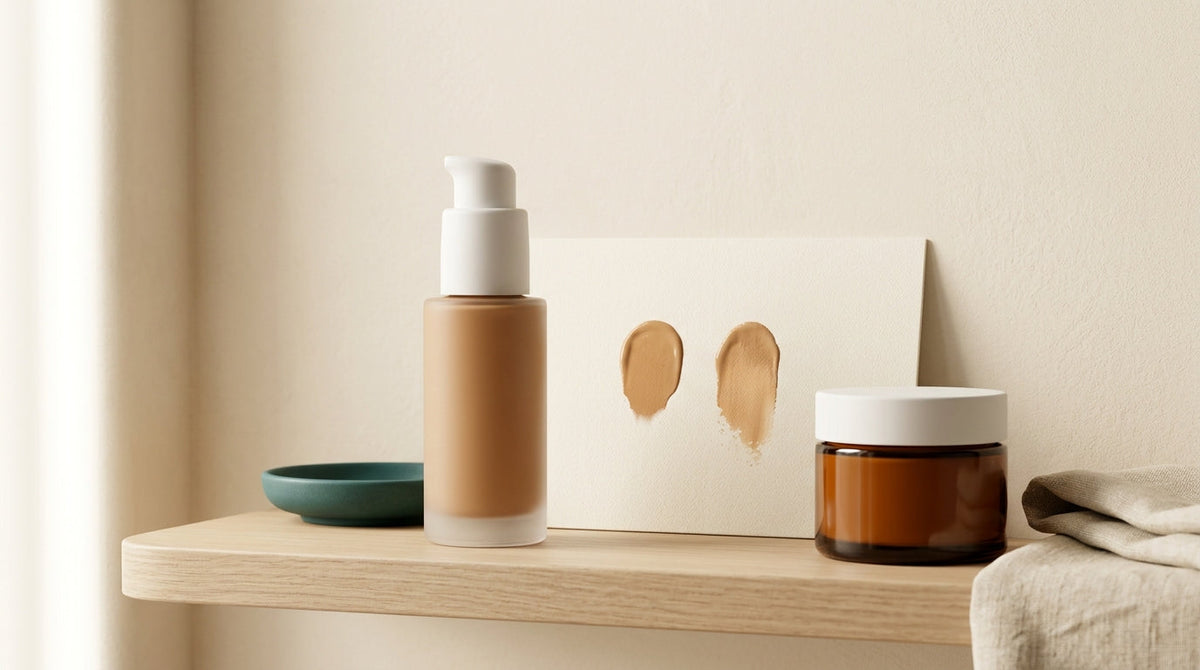
Quick answer: Foundation stops matching as your tan fades because skin tone fades unevenly across the face and neck, leaving your usual shade sitting too dark or warm for a few weeks. Support even fading first with gentle exfoliation, hydration and daily SPF, then reassess your shade once your tone has settled rather than switching straight away.
Why doesn't my foundation match as my tan fades?
Tan fades unevenly across the face and body because skin cell turnover, sun exposure, and product use all vary from area to area. Areas that catch the most direct sun tend to hold colour longer than others:
- Slower to fade — forehead, nose, cheeks
- Faster to fade — neck, jawline
This creates a visible gap in tone that a single foundation shade can't cover evenly — a completely normal part of how skin behaves after a summer of sun exposure, not a sign anything has gone wrong. During this transitional period, foundation that matched perfectly a few weeks ago can start to look too warm, too dark, or patchy against the neck and jaw, simply because those areas are fading at a different pace. Rather than immediately buying a new shade, it's often more effective to focus on supporting even skin tone first, since chasing an exact match while skin is still actively changing can mean needing to switch again shortly after. Giving your skin a few weeks of consistent, gentle care tends to make the eventual shade transition smoother and less frequent. If you're noticing more general unevenness in tone as well as fading tan, our pigmentation & dark spots collection may be worth exploring alongside your regular routine.
Should I change my skincare before switching foundation shades?
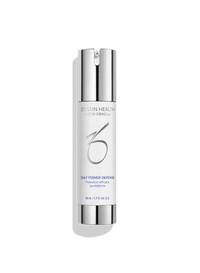
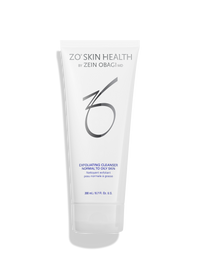
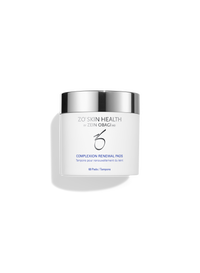
Yes, adjusting your skincare routine before switching foundation shades is generally a sensible approach, since well-prepped, evenly toned skin will make any new shade look more natural and last longer. As your tan fades, focusing on gentle exfoliation to support even cell turnover, combined with consistent hydration, can help skin transition more smoothly rather than fading in visible patches. This is also a good time to reassess your SPF habits, since the shift from a tanned to a more natural tone means UV protection matters just as much, if not more, to avoid new patchiness from uneven sun exposure. Rather than switching foundation shades the moment your tan starts to fade, many people find it more practical to wait until skin tone has mostly settled, usually a few weeks, and use a lighter coverage or tinted product in the interim. If your skin's texture also feels rougher or uneven as your tan fades, our AHAs & BHAs collection can help support smoother texture as part of that transitional routine.

How do I get an even base as my tan fades unevenly?
Getting an even base while your tan is fading unevenly usually comes down to supporting the skin itself before relying entirely on makeup to disguise the difference:
- Exfoliate gently and regularly across the whole face and neck, not just problem areas, to encourage even shedding
- Moisturise consistently to support the skin barrier, since fading skin can feel drier or more reactive than usual
- Blend foundation carefully down the neck and jawline
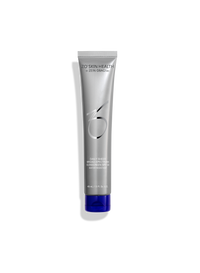
- Consider a colour-correcting or tone-adjusting base product for the interim
It's worth avoiding harsh scrubbing in an attempt to speed up fading, as this can lead to irritation rather than a smoother, more even result. If unevenness persists for an extended period or you're unsure whether what you're seeing is simply fading tan or something else, like pigmentation, it's worth getting a professional opinion. Our team can help assess what's going on and suggest a suitable routine — book a consultation to talk it through, and our ZO programs & kits collection offers structured routines that may support a smoother transition.
Foundation mismatches during the post-tan transition are common and temporary, and supporting your skin with the right routine can make the whole process smoother. If you'd like help building a routine that eases the shift in skin tone this season, our team at Celsia Skin is here for you — get in touch via consultation.
Educational content only — not medical advice. If uneven tone doesn't settle after a few weeks, or you notice new dark patches, get it checked by a dermatologist rather than relying on makeup to cover it.

Dr. Tanveer Ahmed
MBBS/FCPS · Founder & Clinical Director, Celsia Skin
MBBS/FCPS · Founder & Clinical Director, Celsia Skin
Was this content helpful?
Thank you for your feedback — it helps us improve.
Good to know
Frequently asked questions
Why doesn't my foundation match as my tan fades?
Tan fades unevenly across the face and body because cell turnover and sun exposure vary by area, creating a temporary gap in tone between areas like the face and neck. This is normal and usually settles within a few weeks.
Should I change my skincare before switching foundation shades?
Yes, prepping skin with gentle exfoliation and consistent hydration helps support more even fading, so a new foundation shade will look more natural once your tone has settled rather than needing another switch soon after.
How do I get an even base as my tan fades unevenly?
Support your skin with gentle, regular exfoliation and moisturising across the whole face and neck, and consider a tone-adjusting base product in the interim while blending carefully down the jawline.
How long does it take for tan to fade evenly?
It varies, but skin tone typically settles within a few weeks as cell turnover continues. Consistent gentle care can help support a smoother, more even transition during this time.
When should I see a professional about uneven skin tone?
If unevenness persists for an extended period or you're unsure whether it's fading tan or something like pigmentation, it's worth getting a professional opinion through a consultation with our team.