Comparison
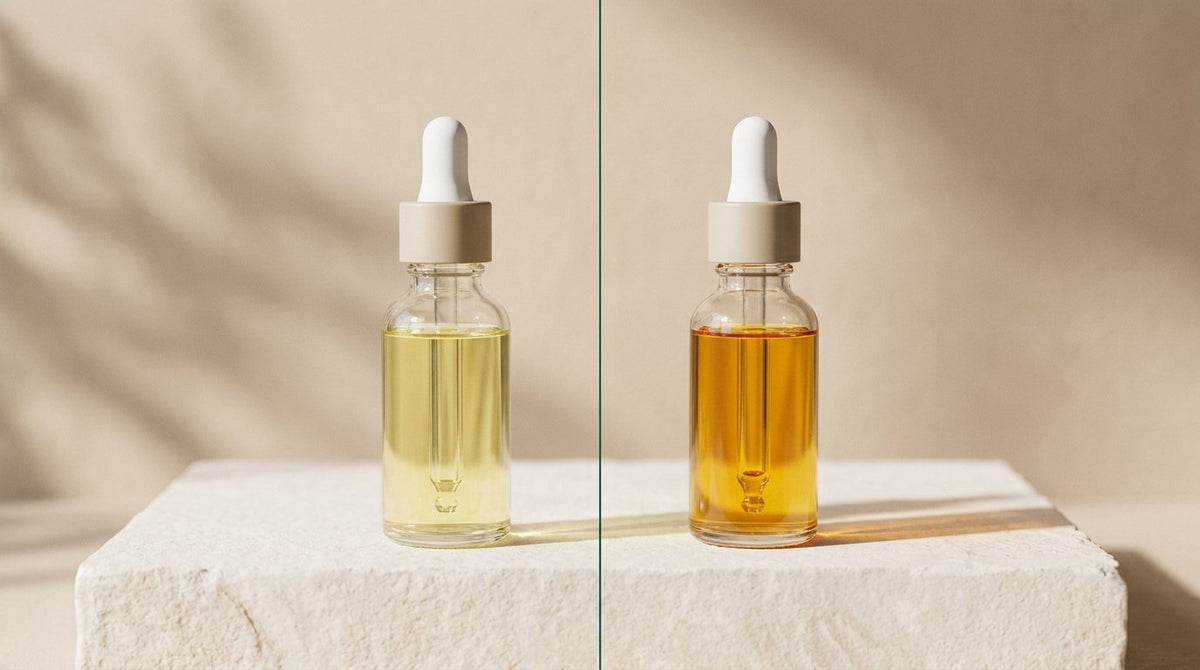
Quick answer: Retinal (retinaldehyde) is one conversion step closer to retinoic acid – the form skin actually uses – than retinol, so it is often described as faster-acting. That does not make it automatically better. Retinol is usually the easier place to start; retinal suits people who already tolerate retinol well and want to step up. Both need gradual introduction and daily SPF.
How vitamin A works in skin, simply
Cosmetic vitamin A ingredients have to be converted by the skin into retinoic acid before they act. The pathway looks like this:
Retinyl esters → Retinol → Retinal (retinaldehyde) → Retinoic acid
Each step closer to retinoic acid generally means a more direct effect – and, for some people, more irritation. Retinoic acid itself (tretinoin) is a prescription medicine in the UK, not a cosmetic.
Retinol vs retinal at a glance
| Retinol | Retinal (retinaldehyde) | |
|---|---|---|
| Conversion steps to retinoic acid | Two | One |
| Usual role | First retinoid; long-term maintenance | Next step for retinoid-experienced skin |
| Tolerance | Widely available in gentle, time-release formats | Can be well tolerated in modern formulas, but start slowly |
| Stability | Sensitive to light and air; packaging matters | Also sensitive; packaging and formulation matter |
| UK rules | Face product limits apply | Different rules apply to retinal; check the label |
The exact strength you can buy depends on UK cosmetics rules, which changed in 2025. Our article on the UK retinol rules explains the limits.
Choose retinol if…
- You have never used a vitamin A product before
- Your skin is sensitive, dry or easily irritated
- You want a product you can use long term with minimal fuss
- You are restarting after a break (for example after summer)
Consider retinal if…
- You have used retinol for several months without irritation
- Your progress has plateaued and you want a step up
- You are happy to reintroduce slowly, as if starting again
How to introduce either one
- Start two nights a week on clean, dry skin.
- Use a pea-sized amount for the whole face.
- Follow with moisturiser – or use the if your skin is reactive.
- Increase frequency only if your skin stays comfortable.
- Keep exfoliating acids and strong vitamin C on different nights – see .
- Wear broad-spectrum SPF every morning.
New to vitamin A? Start with our step-by-step retinol for beginners guide.
Products to consider
| Starting point | Product | Notes |
|---|---|---|
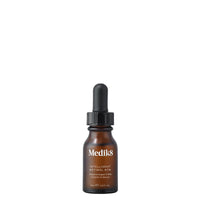
| First retinol | Medik8 Intelligent Retinol 3TR | 0.3% time-release retinol |
| Retinol-experienced | Medik8 Intelligent Retinol 6TR | 0.6% time-release retinol |
| Eye area | Medik8 Intelligent Retinol Eye TR | Formulated for the eye contour |
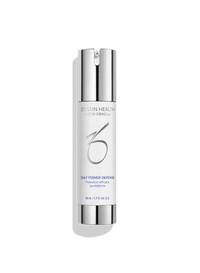
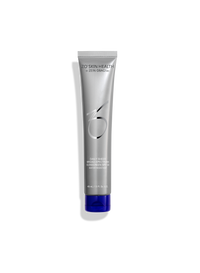
| Pigmentation focus (consultation) | ZO Retinol Skin Brightener 0.25% | Retinol with brightening ingredients |
See the full retinol and retinoids collection. ZO Skin Health products require a free consultation before purchase.
Sources and further reading
Educational content only — not medical advice. If a product causes persistent irritation, stop use and speak to a GP, pharmacist or dermatologist.

Dr. Tanveer Ahmed
MBBS/FCPS · Founder & Clinical Director, Celsia Skin
MBBS/FCPS · Founder & Clinical Director, Celsia Skin
Was this content helpful?
Thank you for your feedback — it helps us improve.
Good to know
Frequently asked questions
Is retinal stronger than retinol?
Retinal is one conversion step closer to retinoic acid, so it is often considered more direct. How strong a product feels also depends on its concentration and formulation.
Can beginners use retinal?
Some can, but most people find it easier to start with a low-strength retinol and move to retinal once their skin tolerates vitamin A well.
Does retinal work faster than retinol?
Retinal is often described as faster-acting because it needs one fewer conversion step, but results vary by person and product.
Can I use retinol and retinal together?
There is usually no need. Choose one vitamin A product and use it consistently, introducing it gradually.
Do I still need SPF with retinal?
Yes. Use a broad-spectrum SPF every morning with any retinoid.