Anti-Ageing
Quick answer: Start retinol slowly rather than strongly. Use a low-strength product two nights a week, apply a pea-sized amount to dry skin, follow with a simple moisturiser, and increase only if your skin stays comfortable. Expect some dryness or flaking at first. Wear a broad-spectrum SPF every morning, and avoid starting other new actives at the same time.
Retinol is one of the most studied cosmetic ingredients for the look of fine lines, uneven texture and tone. It is also the ingredient most likely to make a new user give up too early, usually because they started too often or too strong. This guide focuses on how to start. For product picks, see our guide to the best retinol products for beginners.
Retinol, retinal and prescription retinoids: the difference
- Retinol is a cosmetic form of vitamin A that the skin converts, in steps, into retinoic acid. It is the usual starting point.
- Retinal (retinaldehyde) is one step closer to retinoic acid. It is often described as faster-acting and can suit people who already tolerate retinol. See .
- Prescription retinoids such as tretinoin are medicines in the UK and are only available on prescription. They are not cosmetic products.
Since 2025, UK cosmetics rules limit how much retinol can be used in face products. You can read more in our explainer on the UK retinol rules.
Who should wait or ask first
- If you are pregnant, trying to conceive or breastfeeding, retinoids are generally not recommended – speak to your GP or midwife first.
- If you use prescription skin treatments, check with the prescriber before adding retinol.
- If you have active eczema, a flare of rosacea or broken, sunburnt skin, wait until your skin has settled.
A four-week beginner schedule

| Week | How often | What to watch for |
|---|---|---|
| 1–2 | 2 nights a week (e.g. Monday and Thursday) | Mild tightness is common. Stop if you have burning or swelling. |
| 3–4 | 3 nights a week, if comfortable | Light flaking can appear; increase moisturiser. |
| 5–8 | Alternate nights, if comfortable | If dryness builds up, step back to the previous frequency. |
| After 8+ | Most nights, if tolerated | Only then consider a stronger product. |
Your skin, not the calendar, decides the pace. Many people do well staying on alternate nights long term.
How to apply it
- Cleanse gently and pat skin completely dry. Damp skin can increase irritation.
- Apply a pea-sized amount for the whole face, avoiding the corners of the nose, the lips and the immediate eye area.
- Wait a few minutes, then apply a simple moisturiser.
- If your skin is sensitive, try the (moisturiser before and after).
What to avoid on retinol nights
While you are starting, keep exfoliating acids, scrubs and strong vitamin C serums to different nights or the morning. Our guide on explains which pairings need care.
Choosing a first retinol
| Experience | What to look for | Examples we stock |
|---|---|---|
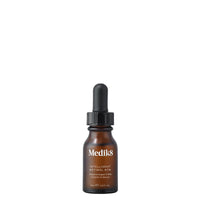
| Never used retinol | Low strength, time-release or encapsulated | Medik8 Intelligent Retinol Try Me, Medik8 Intelligent Retinol 3TR |
| Used retinol before without problems | Moderate strength | Medik8 Intelligent Retinol 6TR |
| Pigmentation is the main concern | Retinol combined with brightening ingredients; consultation required | ZO Retinol Skin Brightener 0.25% |
Browse the full retinol and retinoids collection. ZO Skin Health products require a free consultation before purchase.
Signs to pause or slow down
- Burning, stinging that does not fade, or swelling
- Raw, shiny or cracked patches
- Redness that lasts more than a day
- Itching or a rash – stop and seek advice
Mild dryness and some flaking in the first weeks are common. If your skin feels sore, pause for a few nights, use only a gentle cleanser and moisturiser, and restart at a lower frequency. Our article on managing the retinol purge explains what is normal.
Why daily SPF matters
Retinoids can make skin more sensitive to the sun, and UV exposure undoes much of what you are trying to improve. Use a broad-spectrum SPF 30 or higher every morning, even on cloudy autumn days. See our SPF collection.
Sources and further reading
Educational content only — not medical advice. If a product causes persistent irritation, stop use and speak to a GP, pharmacist or dermatologist.

Dr. Tanveer Ahmed
MBBS/FCPS · Founder & Clinical Director, Celsia Skin
MBBS/FCPS · Founder & Clinical Director, Celsia Skin
Was this content helpful?
Thank you for your feedback — it helps us improve.
Good to know
Frequently asked questions
How often should a beginner use retinol?
Most beginners start with two nights a week and increase gradually to alternate nights, then most nights, only if the skin stays comfortable.
Should I apply retinol before or after moisturiser?
Usually after cleansing on dry skin, followed by moisturiser. If your skin is sensitive, applying moisturiser before and after (the retinol sandwich) can make it more comfortable.
Can I start retinol in autumn?
Yes. Many people find autumn a good time because sun exposure is lower, but daily SPF is still essential.
Is retinol safe during pregnancy?
Retinoids are generally not recommended during pregnancy or breastfeeding. Speak to your GP or midwife before using any vitamin A skincare.
How long does retinol take to show results?
Changes in texture and tone build gradually over several weeks to months of consistent use. Individual results vary.